Redefining Reuse: Rewriting the rules of repurposing in the construction industry
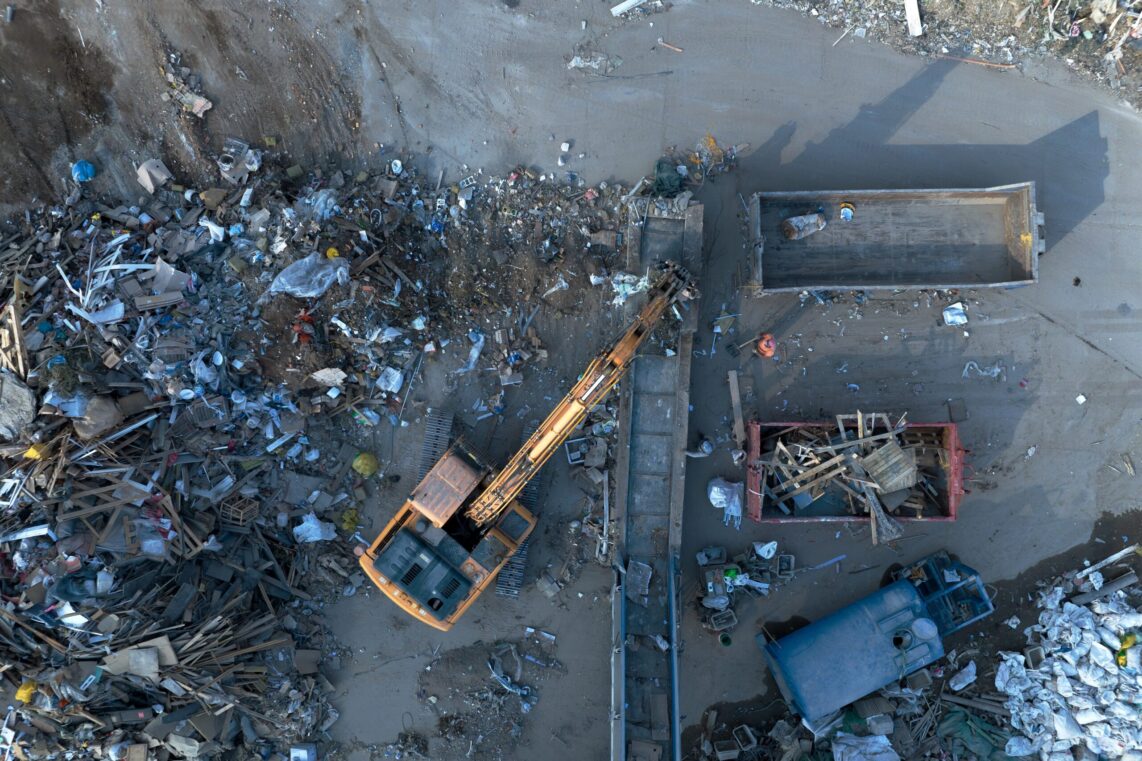
The circular economy, a term prevalent within the sustainability space, and gaining significant traction within the construction industry, envisions an economic system that seeks to optimise resource use by avoiding raw material extraction, and waste to landfill through reusing existing materials.
To understand how we can integrate circularity within our ESG strategy, our sustainability team attended the Alliance for Sustainable Building Products (ABSP) Reuse Summit, a gathering that felt like a glimpse into the future of construction. The day was packed with visionary ideas and practical insights, all pointing toward one transformative message: the most sustainable building product isn’t something new or cutting-edge, it’s the one we already have.
This simple truth sparked conversations about the immense potential of reuse, not just as a tool for sustainability but as a game-changer for efficiency and profit. Imagine a world where discarded materials are not waste but assets, where reuse isn’t an afterthought but a cornerstone of construction projects. That vision is no longer far off, it’s being built today.
Take Circotrade, for example. This innovative platform is rewriting the rules by turning salvaged materials into tradable assets. Through financial tools like futures trading, they’re proving that reuse doesn’t just make environmental sense; it makes economic sense. Suddenly, the waste pile becomes a goldmine, without delaying construction schedules.
But reuse isn’t just about innovative platforms; it’s about foresight and collaboration. Pre-demolition audits, a practice many in the industry are familiar with, are being reimagined through digitalisation and new, emerging markets. By connecting early-stage material cataloguing with dynamic networks of marketplaces, brokers, and reuse hubs, you start to unlock hidden value, both financial and environmental, in every project.
And the proof is in the stories. Developers like Grosvenor and Lazari Investments shared how selling or donating reusable materials saved them significant costs and time. These aren’t abstract ideas; they’re real-world successes showing the potential to transform how we think about materials.
Of course, challenges remain. Timing and storage issues can make reuse feel like an uphill battle. But forward-thinking innovators like Material Index are addressing these hurdles by connecting traders directly, keeping projects on track while ensuring materials find their next life. And then there’s the question of warranties and insurance. While the industry grapples with how to certify reused materials, initiatives like The Reuse Hub are finding workarounds, funnelling salvaged materials into community projects where formal warranties aren’t a barrier.
What became clear at the summit is this: the journey toward widespread reuse is just beginning, but the destination is one we can’t afford to ignore. The co-benefits, economic gains, reduced environmental impact, and strengthened communities, are too compelling to overlook.
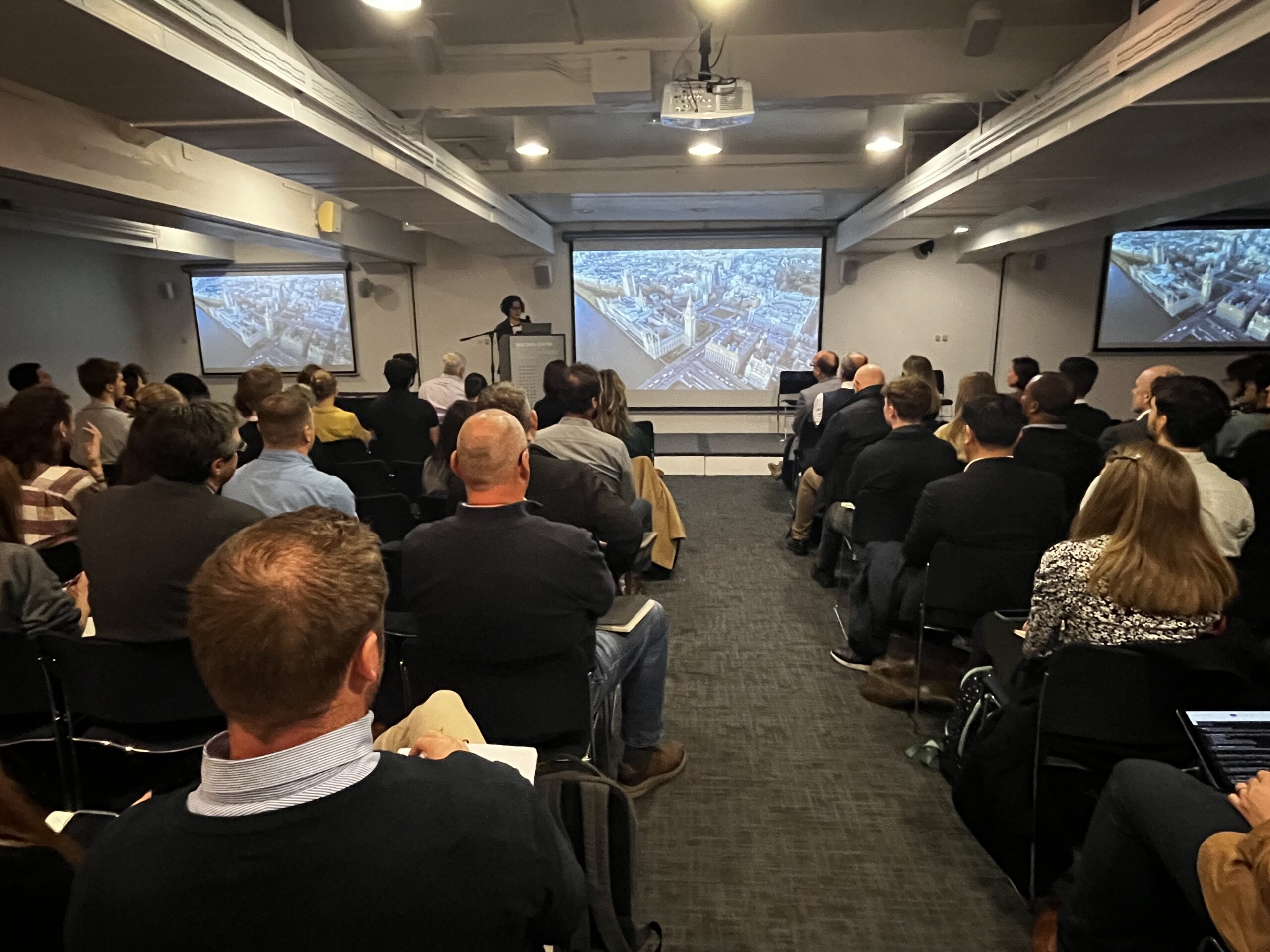
At ODGroup, we’re inspired by this momentum and eager to weave these lessons into our ESG strategy. Reuse isn’t just an environmental choice; it’s a smarter, more profitable way to build. As we move forward, we’re committed to leading this shift, proving that it is possible to achieve a triple bottom line: People, planet, and profit.
A write up by Oscar Leigh-Hales.


