Designing for every mind: Rethinking workspaces through a neurodiverse lens

By Mia Cherry
Social Value Advisor
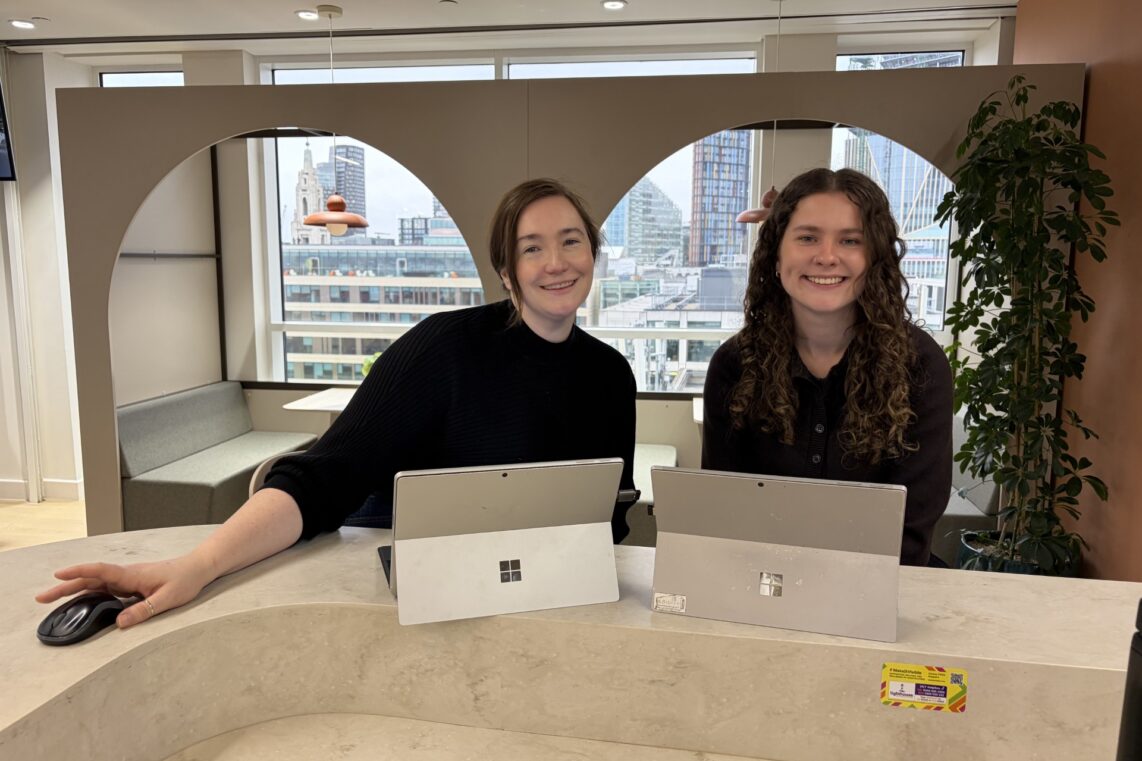
Designing workplaces that truly support people means recognising that no two minds work the same.
As conversations around neurodiversity grow, workplace design is evolving beyond aesthetics and efficiency to focus on inclusion, wellbeing and human behaviour.
In this interview, Elle Ashworth, Senior Project Designer at ODCreate, and Mia Cherry, Social Value Advisor at ODGroup, explore what neurodiversity means in practice, how environments shape our ability to work, and why designing with neurodiverse needs in mind ultimately benefits everyone.
Mia: Let’s start with an obvious but important question, what is neurodiversity?
Elle: That’s a big question. Neurodiversity refers to the natural variation in how people’s brains function and process information. It’s an umbrella term that includes conditions such as autism, ADHD, dyslexia, dyspraxia and dyscalculia, recognising these as different ways of processing and experiencing the world, rather than deficits.
Mia: And within each trait, there’s a spectrum I guess, no two people think or experience the world in exactly the same way.
For example, dyslexia often affects how information is processed, one person might recognise certain words quickly, while another may take longer, even though both are dyslexic.
Elle: Yes. And ADHD presents differently, some people are mainly inattentive, others more hyperactive, or a mix, with varying intensity. Similarly, Autism Spectrum Disorder (ASD) involves different levels of support needs and can include differences in social interaction, communication, and repetitive behaviours.
Neurodivergent people can be more prone to overwhelm and burnout. Understanding this is key in workplace environments, designing spaces and practices that reduce overstimulation can make a significant difference.
Introducing the sensory environment
As we move from understanding neurodiversity to experiencing it, our surroundings become crucial. Environments can either support focus and wellbeing or make it harder to function.
Elle: The sensory environment is everything we experience in a space, sound, light, temperature, and visual stimuli.
For neurotypical individuals, these elements shape good design but for neurodivergent people, sensitivity is often heightened. Bright lighting can disrupt focus, while background noise or multiple conversations can be overwhelming.
Different roles need different settings. As a designer, I often need deep focus, which means managing noise, while also balancing time for collaboration.
Mia: So bringing it back to the workplace, offices can be especially challenging for neurodiverse individuals, because realistically, the factors you just mentioned can affect anyone on a bad day, not just the neurodiverse.
And that’s why it’s so important to consider neurodiversity in design, by addressing those challenges, you create a workplace that works better for everyone.
Elle: Exactly. Things like acoustic comfort, lighting and thermal regulation are essential components to consider.
But they don’t just affect neurodiverse individuals, they can impact the experience for everyone. Lighting, for example, can influence mood, and psychologically, softer colour palettes help create a calmer environment.
Mia: So how can we design workspaces that are inclusive specifically across the neurodiverse spectrum?
Elle: It’s about amplifying what good design already does. Recognising that people experience environments in very different ways and creating spaces that offer choice, control and comfort.
This can be achieved through thoughtful lighting design, avoiding harsh glare and allowing for adjustable levels; acoustic planning, using materials and layouts that reduce background noise; and clear zoning, so people can easily move between quiet, focused areas and more social, collaborative spaces.
Incorporating calming colour palettes, natural materials, and intuitive wayfinding can also reduce sensory overload, while providing a variety of work settings, such as enclosed booths, breakout areas and open desks, empowers individuals to choose how and where they work best.
Ultimately, it’s about creating flexible, balanced environments that support different needs, helping people feel more comfortable, focused and able to perform at their best.
Mia: So we know what we should be doing, but is this something that is always at the front of people’s mind when designing? And should it be?
Elle: Absolutely, it should be. Good design should include all of these elements. In reality, it depends on the client and brief. Some projects prioritise desk density, while others allow for more zoning, from quiet booths to open collaborative areas.
That’s where efficient design matters. It’s our role to meet client needs while keeping user experience central. Good design is human-centred, grounded in behaviour, and focused on helping people work better.
Mia: Should this be the standard approach?
Elle: Definitely. The office of the future needs to understand human behaviour and support a wide range of people.
It’s about creating flexibility within the office, having choice between types of space and being able to have control of where you work can really support productivity.
Choice builds trust, and when people feel trusted, they feel empowered.
The evolution of the workplace
Workplaces are shifting to reflect more flexible, human-centred ways of working, where choice, wellbeing and experience are just as important as function.
Mia: Workplaces are constantly evolving. Even in the last few years, I’ve seen a big shift, more collaboration spaces, more colour, and a more modern way of working.
Elle: Office design has become far more experiential, blending residential comfort with workplace functionality.
Where offices were once rigid with fixed desks, they’re now more flexible. Hot desking and varied work settings give people greater control over how they work, helping them feel more empowered and ultimately be more productive.
Mia: But are clients specifically requesting more neuroinclusive design?
Elle: It’s less a direct request and more a result of growing awareness. Businesses that prioritise inclusion are more likely to embrace neuroinclusive spaces, while others may still focus on efficiency.
That said, this is likely to become standard, much like the shift towards healthier workplaces, biophilic design, and hybrid working post-COVID.
Mia: And each generation entering the workforce is raising expectations too, especially around wellbeing.
Elle: Absolutely. As designers, it’s our role to identify opportunities for inclusion, even if it’s not explicitly asked for.
That could be improving accessibility, incorporating quiet spaces, or using calming materials. It’s also about creating a “home away from home.”
Workplace design shouldn’t stand still, people’s needs evolve, and offices should evolve with them. There’s no reason any industry can’t create inclusive, comfortable environments where people feel motivated to work.
Mia: And businesses that don’t adapt, risk losing talent as people have more choice in more inclusive workspaces.
Elle: Exactly. If workplaces aren’t designed for people, turnover increases. When businesses invest properly, they create spaces that feel calm, considered, and uplifting, where people feel confident and can do their best work.
Mia: And happiness is contagious, the more people enjoy their environment, the more they’ll want to be part of it.
Designing for neurodiversity is not a niche consideration, it’s a fundamental shift towards more thoughtful, human-centred workplaces.
As this conversation highlights, when we design with a deeper understanding of how people think, feel and work, we create environments that are more inclusive, flexible and effective for everyone.
Ultimately, the future of workplace design lies in embracing difference and using it to build spaces where people can truly thrive and not just for the neurodiverse, human-centric design benefits everyone.


