42 Wigmore Street: Setting the standard in sustainable construction

By Jozefa Lewis
Head of Sustainability
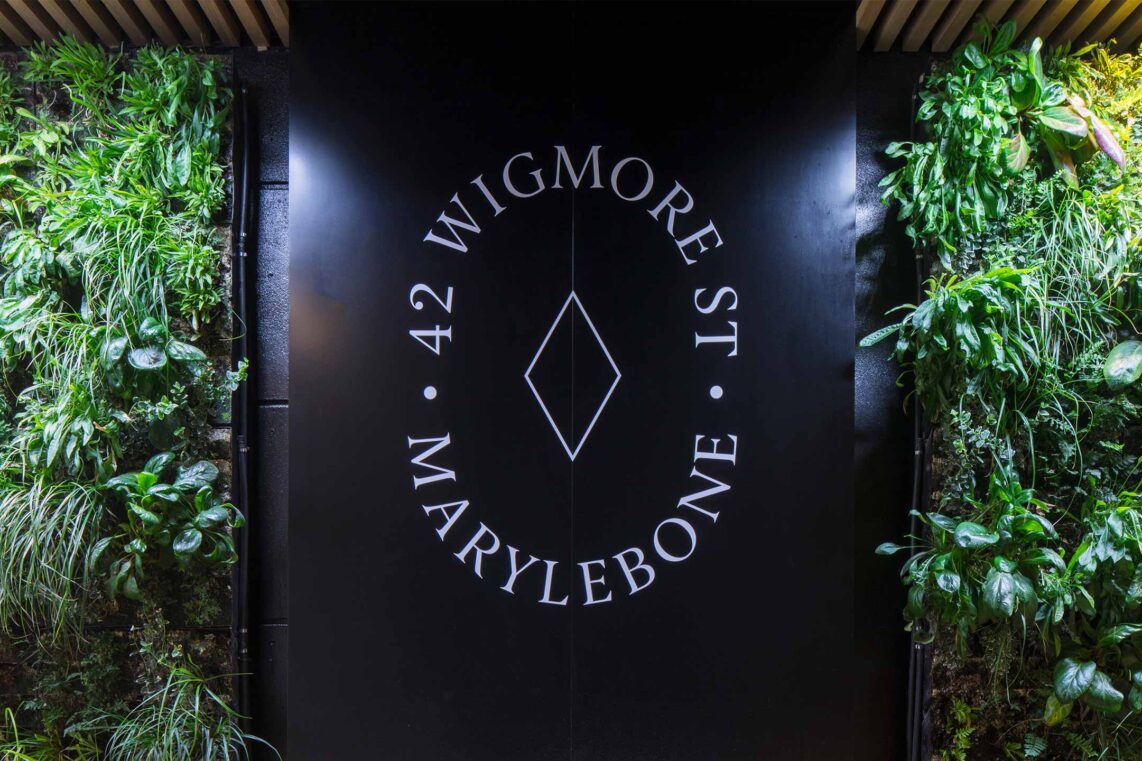
ODGroup partner with clients to identify opportunities and implement forward-thinking solutions that ensure every project contributes meaningfully to sustainability goals and long-term environmental performance.
We’re proud to have completed the refurbishment of 42 Wigmore Street, a landmark project for sustainability in commercial real estate. Our team worked in collaboration with our supply chain and the professional team to deliver a pioneering building for Aberdeen.
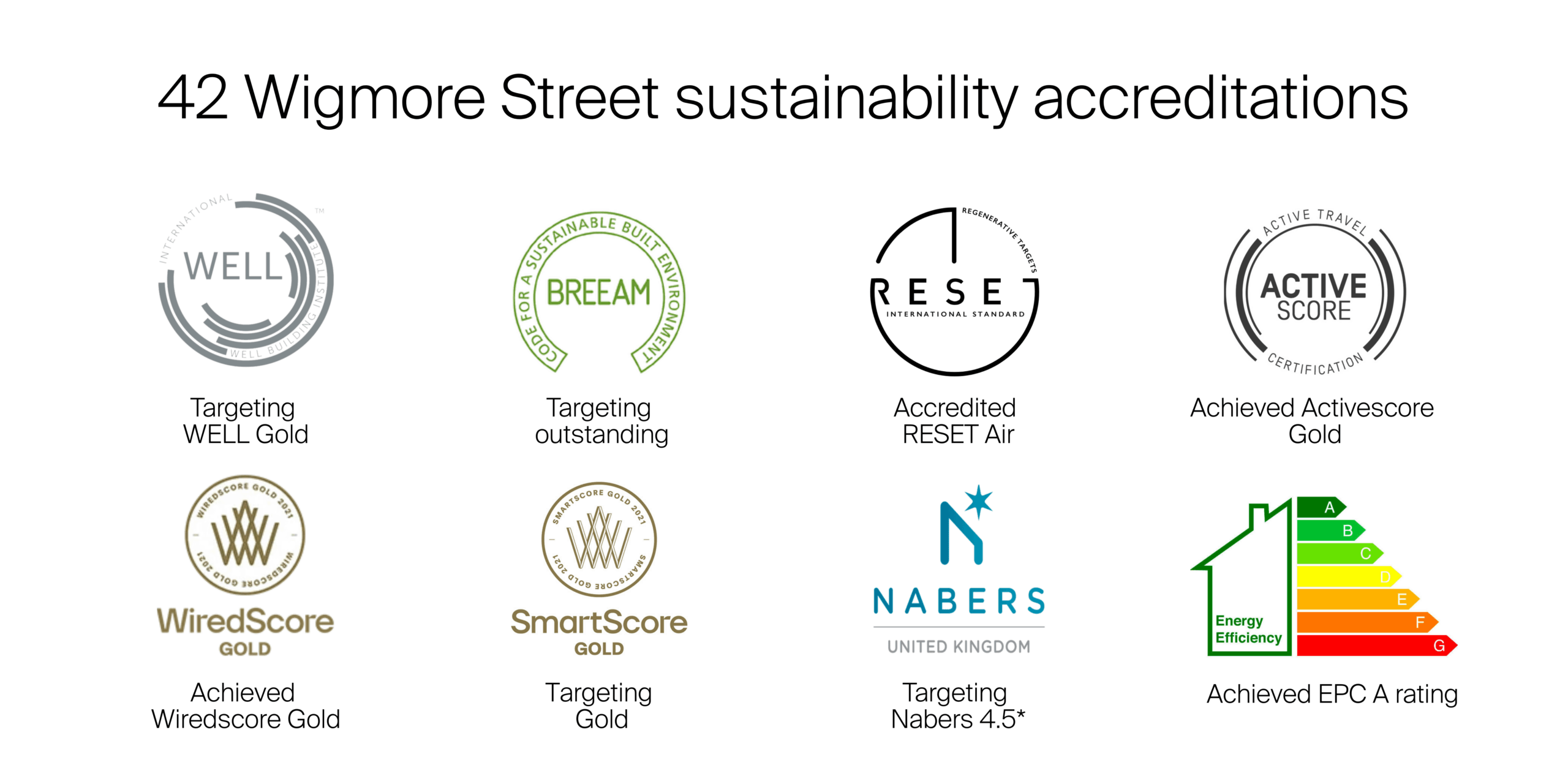
The overall project targeted seven green and smart building certifications including BREEAM ‘Outstanding’ plus an EPC ‘A’ Rating and embodied carbon targets for materials. This ambitious project has delivered a range of initiatives to optimise energy efficiency, lower embodied carbon and prioritise the wellbeing of its occupants.
Energy efficiency
 Energy efficiency was a central objective at 42 Wigmore Street, with the project targeting an uplift from EPC ‘E’ to ‘A’. Alongside targeting a NABERS 4.5* rating, the building delivers optimised energy performance across several key systems.
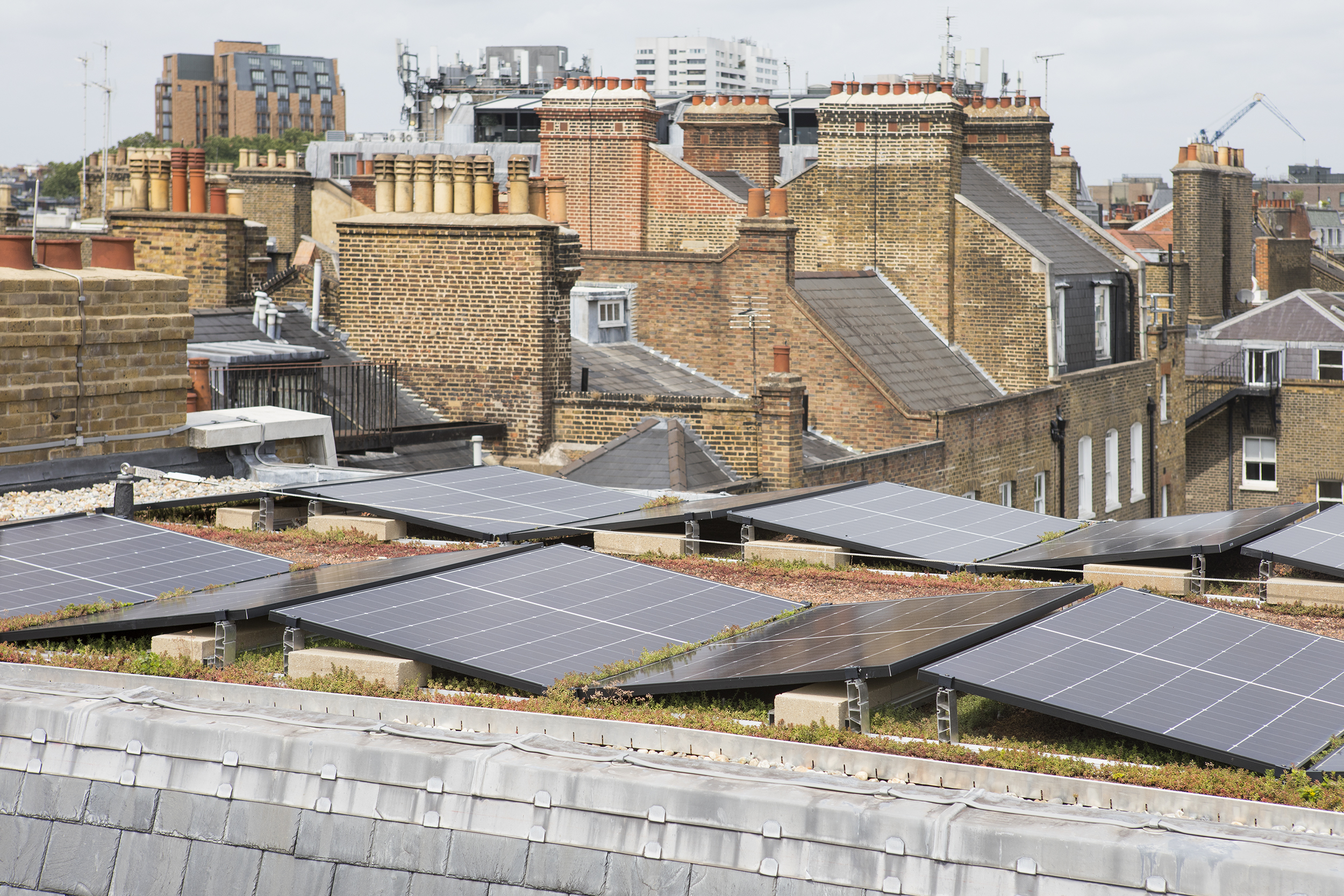
Rooftop PV panels enable the building to supplement its power needs with renewable energy. ODGroup and specialist contractors conducted detailed reviews to ensure energy generation met design specifications resulting in 14% of the building’s end use energy demands being fulfilled by renewable solar power.
Smart lighting controls have been installed to reduce energy wastage and align with Smartscore targets. Features include a lighting control app, presence detection, and daylight sensors for external lighting. All lighting is sub metered, with data fed to the building management system (BMS) to track consumption in line with NABERS requirements.
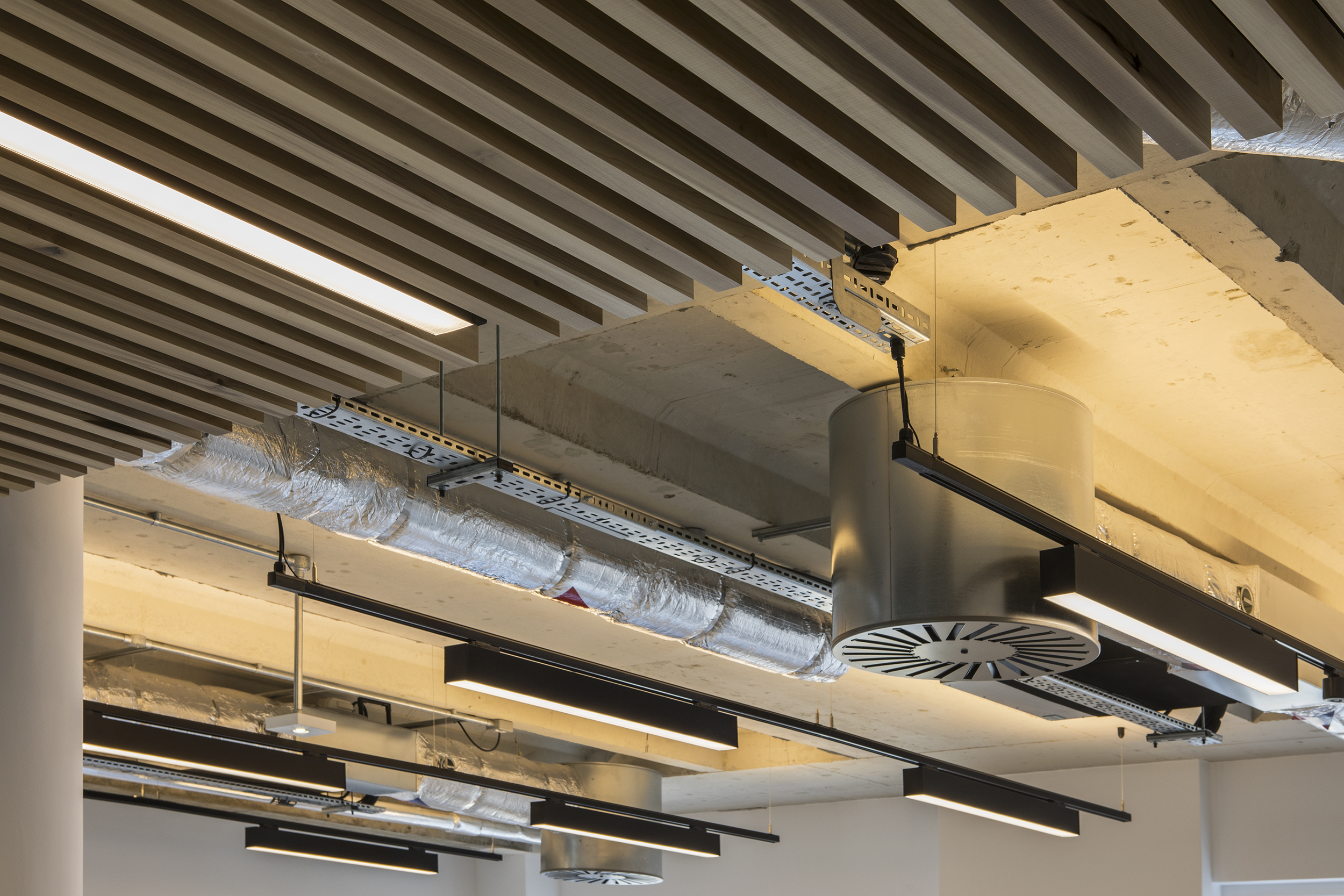
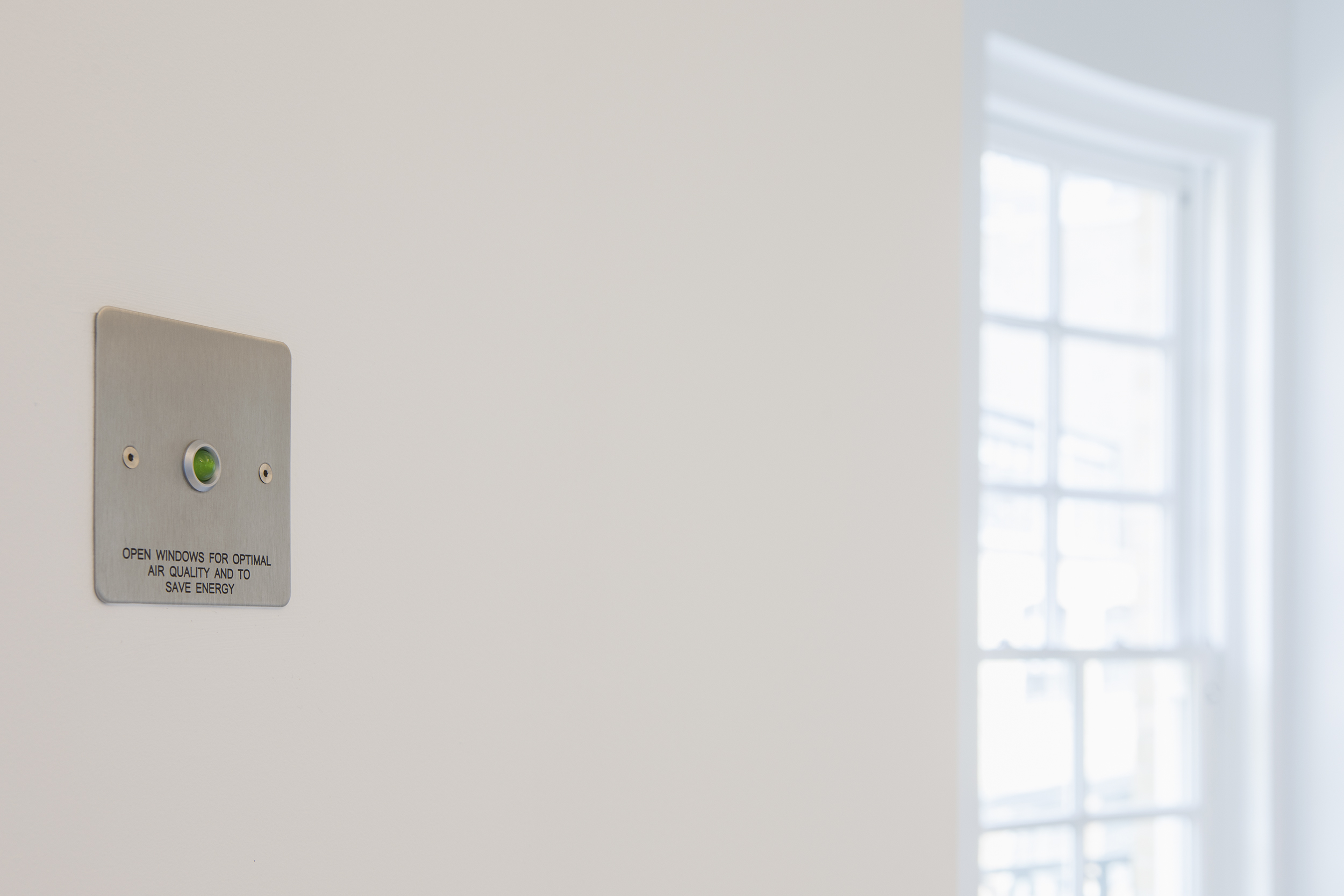 The building’s mixed-mode ventilation allows occupants to open windows to manage temperature while maintaining efficiency. Window contact sensors automatically shut off local air conditioning when windows are open, preventing energy loss. Indicator panels advise when outdoor conditions—based on temperature, humidity, and pollution data from a local weather station—are optimal for natural ventilation without sacrificing indoor air quality.
Well-being
With people spending around 90% of their time indoors, it’s essential that buildings are designed to support human health. Targeting WELL Gold and RESET Air certifications, 42 Wigmore Street embeds strategies that enhance occupant wellbeing across all aspects of the refurbishment.
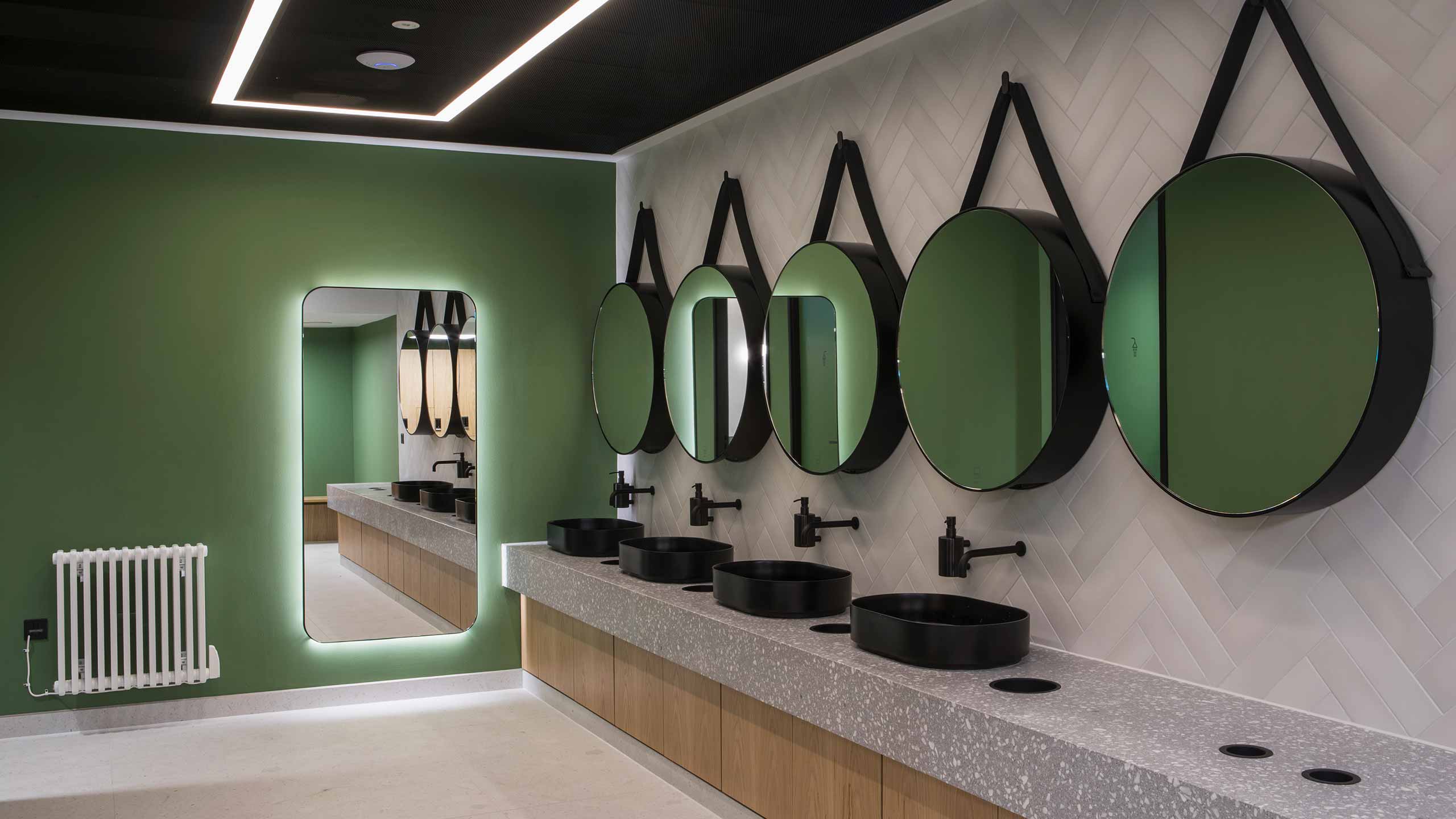
To encourage active travel, in line with our Activescore targets, the building provides 38 cycle spaces, 12 foldable bike lockers, and 6 visitor spaces, alongside high-quality end-of-journey facilities including showers, lockers, a drying room, and cycle maintenance tools—promoting healthier, greener commutes.
Delivering optimal indoor air quality was a core priority. From the outset, ODGroup held workshops with supply chain partners to review materials and raise awareness of volatile organic compounds (VOCs) found in paints, varnishes, adhesives, and wood products. At completion, WELL Performance Verification testing confirmed the building meets stringent air quality standards.
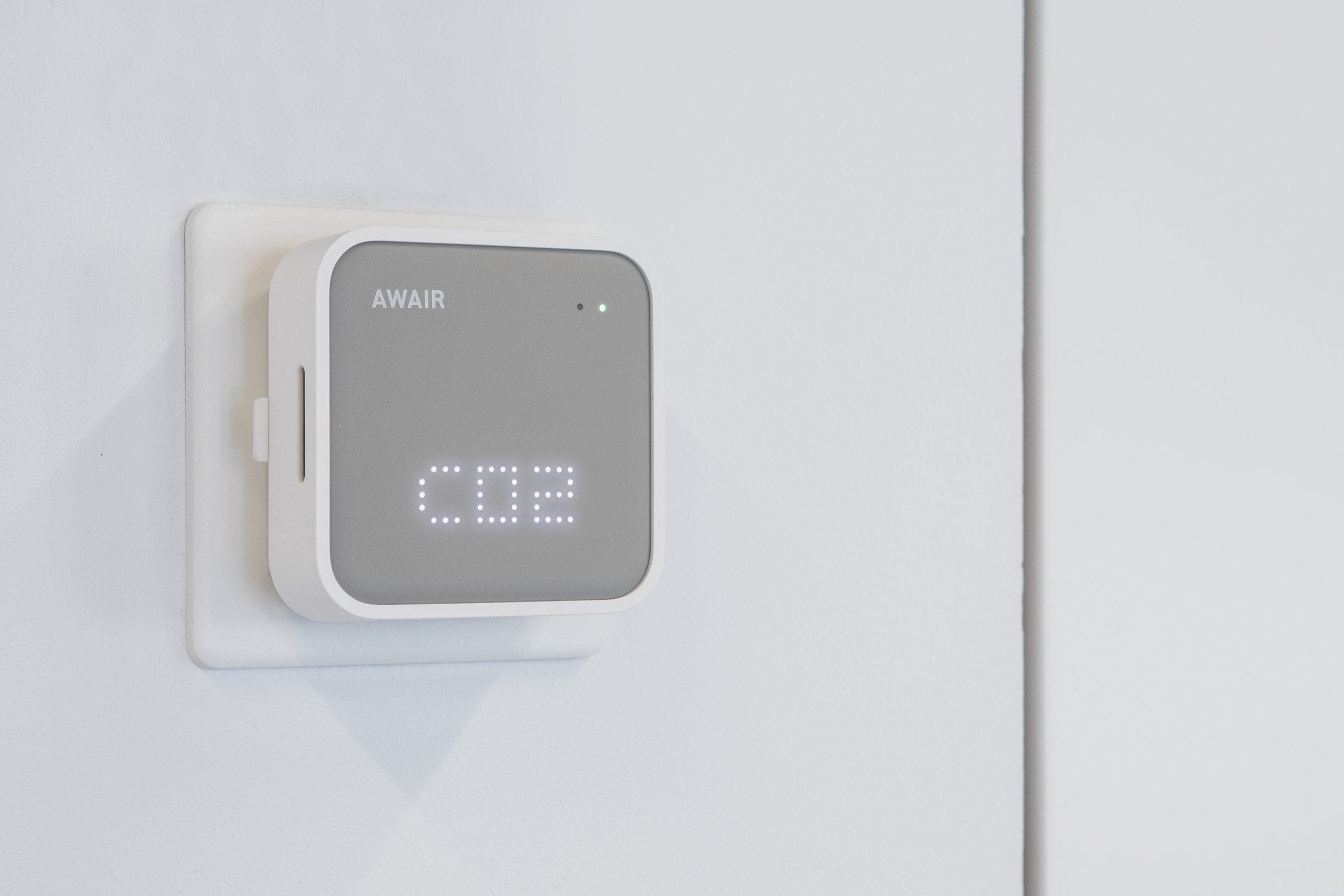 Throughout the floorplates, air quality monitors continuously track temperature, humidity, CO₂, particulate matter, and VOCs. This data feeds into the BMS, which adjusts ventilation to maintain a healthy indoor environment—for example, increasing air supply when CO₂ levels rise to prevent fatigue and maintain concentration.
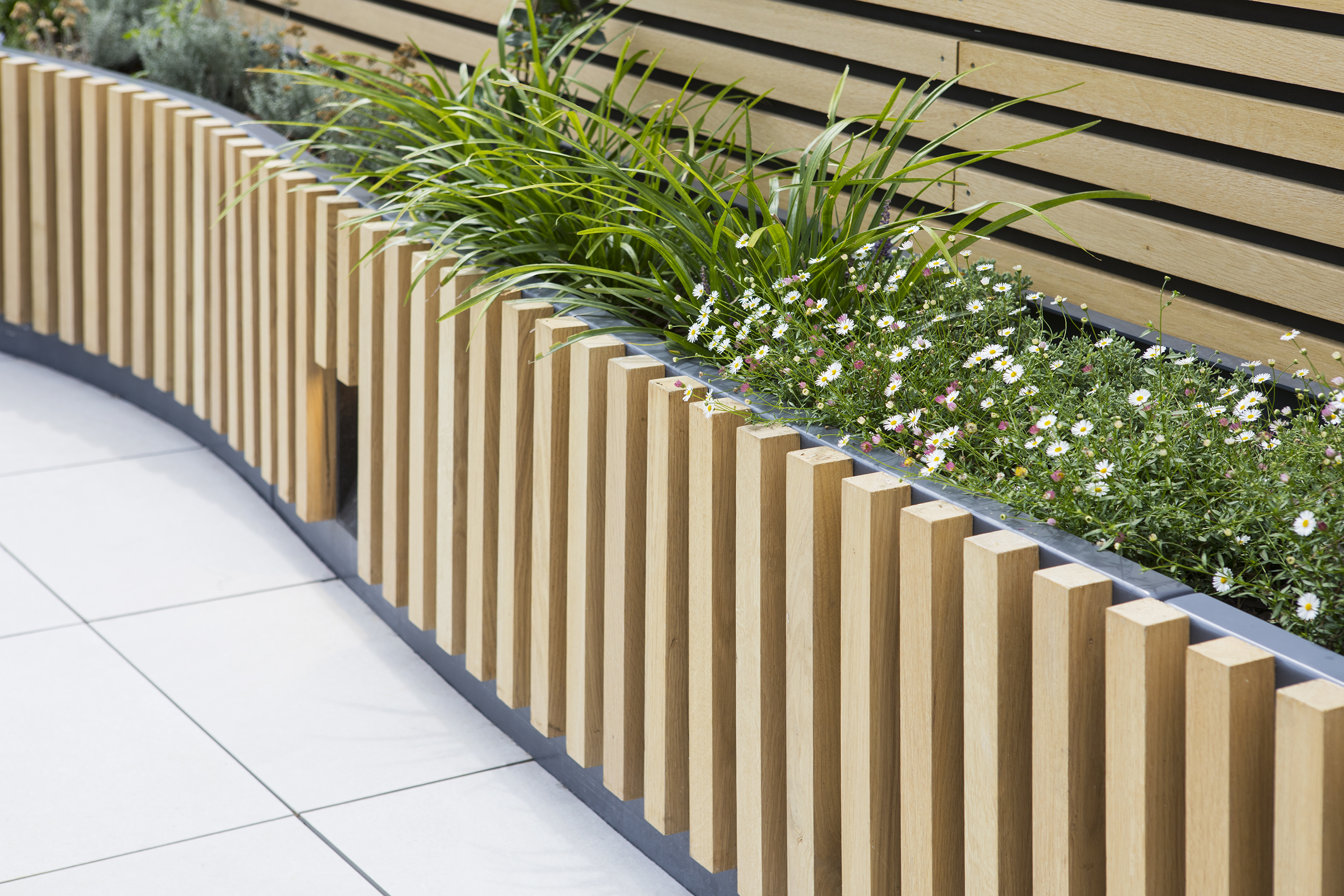
Feeling a connection to nature can help us reduce stress and improve overall wellbeing. Biophilic design elements further enhance wellbeing. The refurbishment introduces reception planting, courtyard green walls, and natural finishes throughout. Two terraces and a central courtyard provide 236m² of usable outdoor space, complemented by 56m² of pollinator-friendly planting. These features not only improve occupant wellbeing but also enrich local biodiversity.
Embodied carbon
Embodied carbon is an increasing priority in the commercial property sector’s journey towards net zero. At the outset of the 42 Wigmore Street refurbishment, industry benchmarks from LETI (Low Energy Transformation Initiative) were adopted as performance targets.
As main contractor, ODGroup faced the challenge of meeting these ambitious goals by embedding embodied carbon considerations into decision making. To support this, our team and supply chain partners engaged in early-stage workshops to deepen understanding of embodied carbon, defined as the total carbon emissions generated across a product’s lifecycle, from raw material extraction and manufacture to installation, maintenance, and end-of-life disposal.
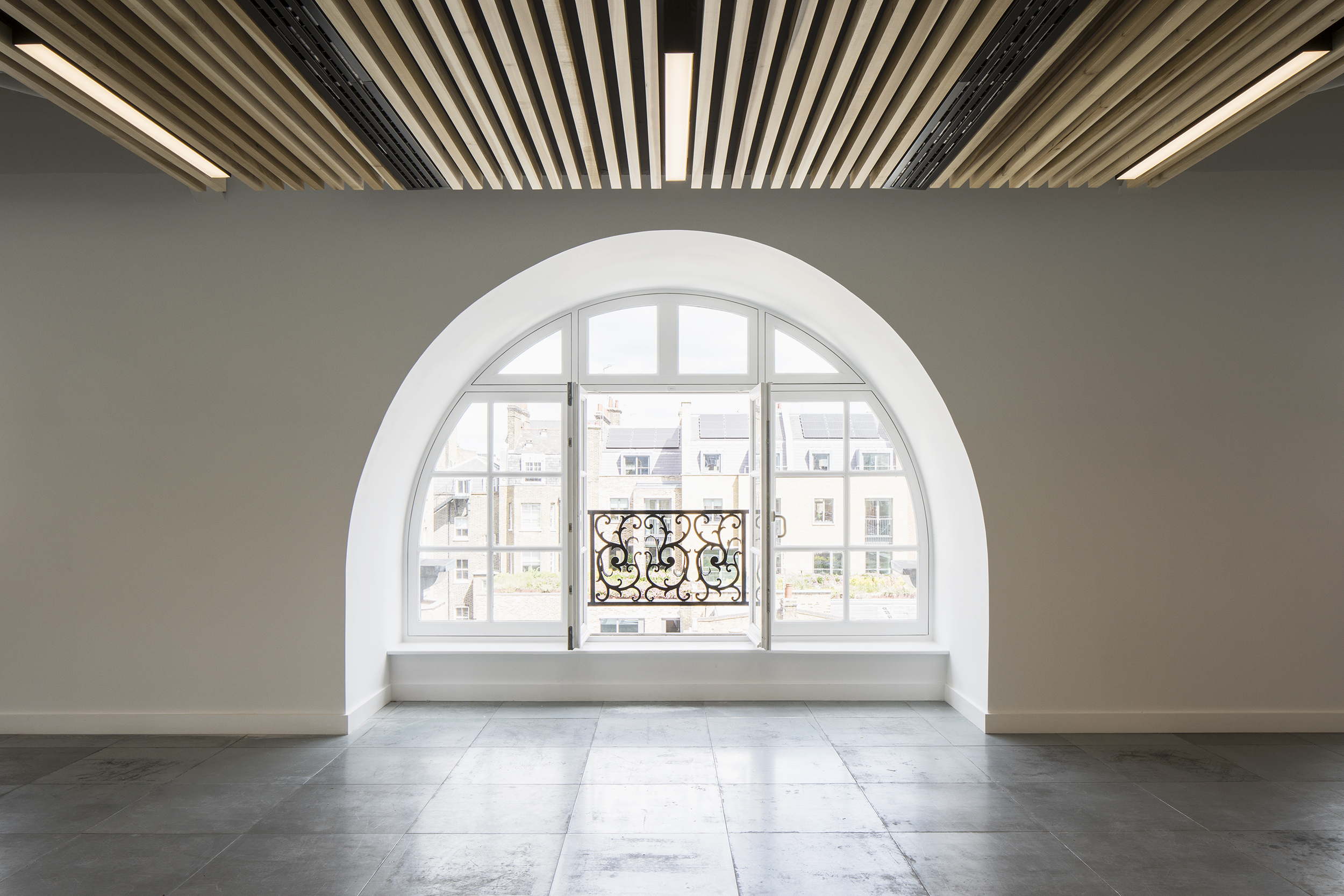
Throughout the project, Life Cycle Assessments (LCAs) were undertaken at key milestones to benchmark performance and identify high-impact materials. Working closely with subcontractors, ODGroup implemented reuse strategies to minimise embodied carbon. For example, the existing windows on the Welbeck Way façade were surveyed and refurbished rather than replaced, avoiding the significant emissions associated with new glass production.
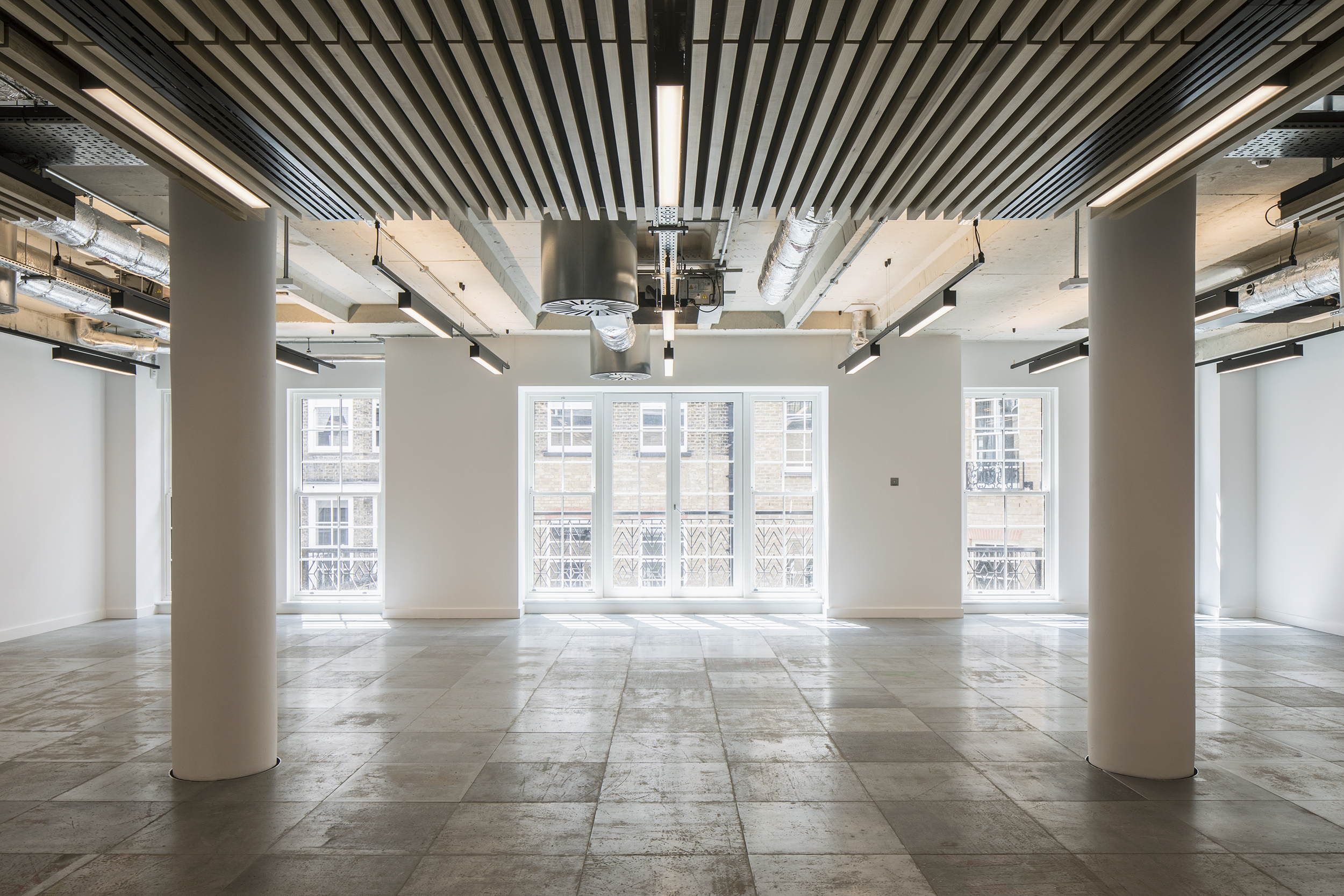 During strip-out, the team identified an opportunity to reuse raised access floor tiles. Two scenarios were assessed: reinstalling the original tiles, which required new pedestals to be manufactured and shipped from China, or sourcing a ‘new’ reused system from another London building that offered better long-term maintainability. The second option was chosen, supporting the project’s circular economy principles and embodied carbon targets.
Circular economy and reuse opportunities, big or small, were embraced throughout the project and reuse extended beyond major materials. The site team constructed insect hotels and loggeries from on-site offcuts, both reducing waste and creating habitats that enhance local biodiversity.
At completion, 42 Wigmore Street surpassed its embodied carbon targets, achieving 245 kgCO₂e/m² upfront embodied carbon and 458 kgCO₂e/m² across its lifecycle, outperforming LETI benchmark figures and setting a strong precedent for sustainable commercial refurbishment.
The sustainability strategy at 42 Wigmore Street presented complex challenges that ODGroup and our subcontractors successfully overcame. Beyond delivering a pioneering, low-carbon refurbishment, the project has strengthened our collective knowledge and capability, equipping ODGroup and our supply chain to continually advance the way we deliver sustainable buildings.