42 Wigmore Street
The details
- Location: 42 Wigmore Street
- Value: £10,000,000
- Size: 22,000 sqft
- Duration: 56 weeks
The refurbishment of 42 Wigmore Street required a sensitive and carefully managed approach – one that required ODInteriors to balance the delivery of a high-quality commercial space with the challenges of a logistically complex site and close proximity to neighbours .
The six-storey building, including basement, underwent extensive structural and architectural works, from the removal and replacement of the central staircase to the creation of a high-end reception, premium washrooms, end-of-journey facilities, landscaped terraces, and ecological features such as wildflower roofs and insect habitats.
From the outset, the client placed strong emphasis on sustainability, setting ODGroup its most ambitious targets to date. The scheme aimed to achieve BREEAM, WELL, RESET, Active Score, WiredScore, SmartScore, and NABERS, establishing a benchmark for future workplace refurbishments.
The team
- Architect: Bar Gazetas
- Project Manager: TFT Consultants
- Cost Consultant: Burnley Wilson Fish
- Photographer: ©James French
List of works:
- Alteration of front façade.
- Internal demolition.
- New MEPH installations.
- Utility services alterations.
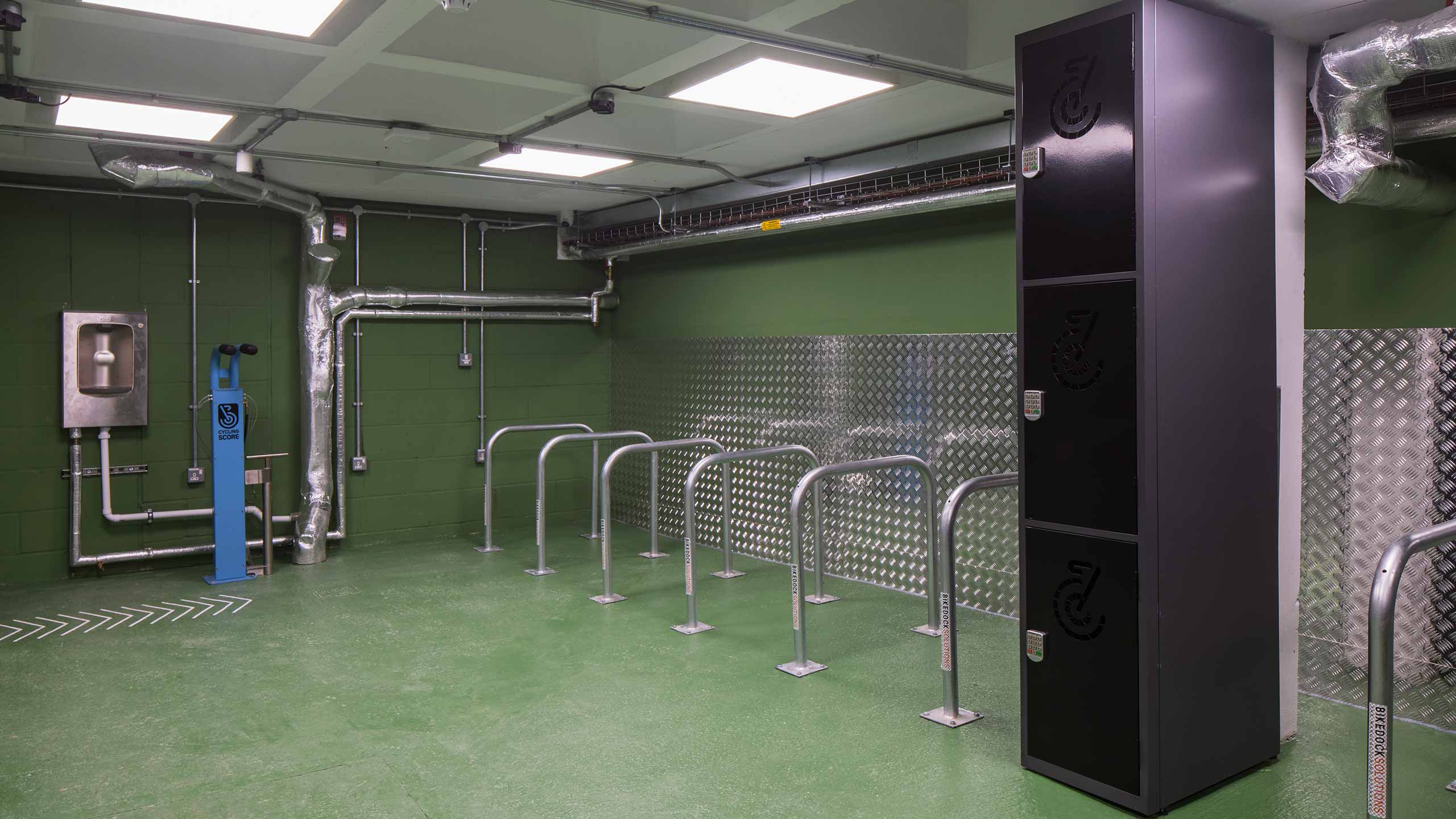
- Cycle parking and changing facilities in the basement.
- New reception fit-out.
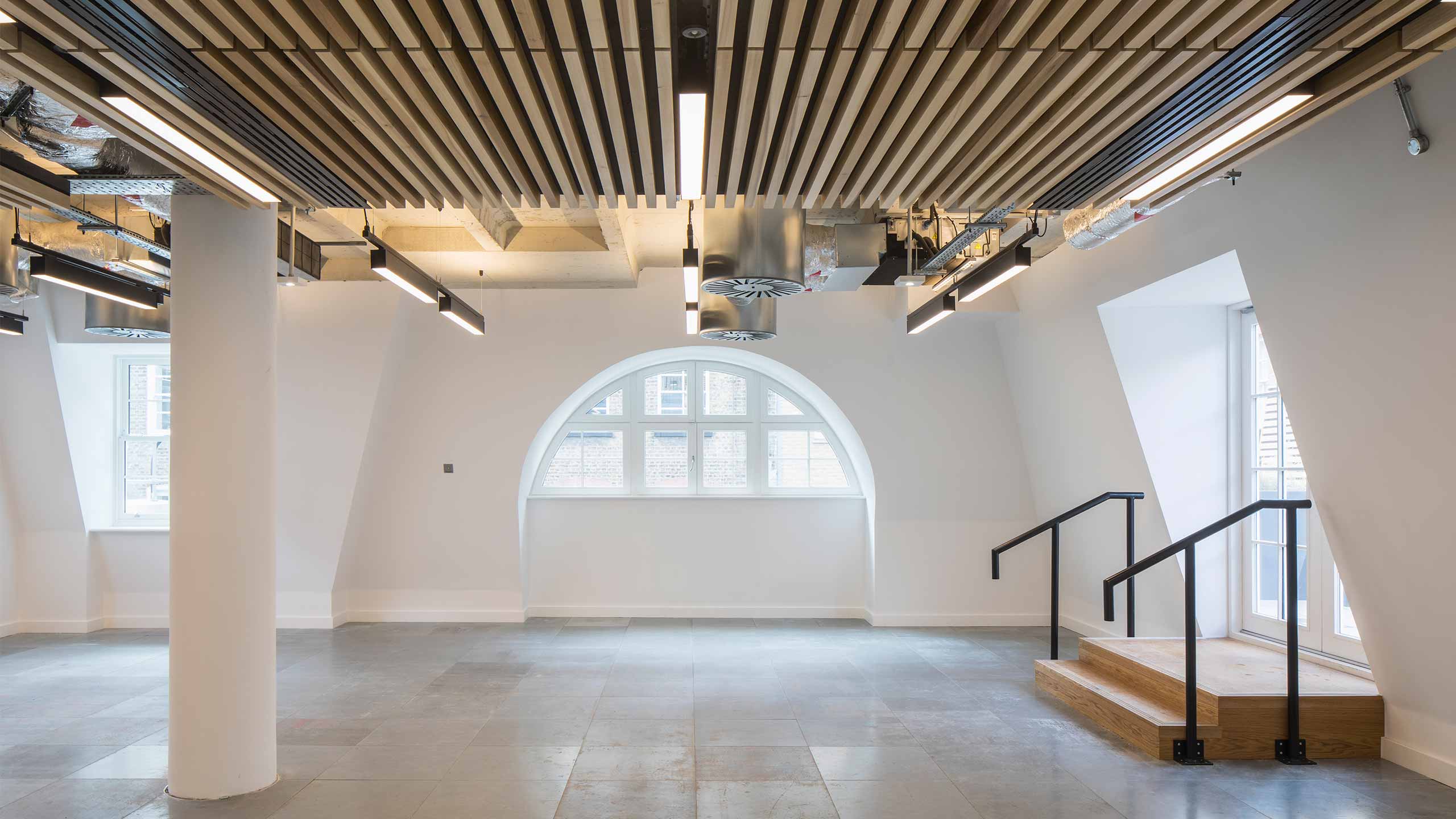
- Cat A fit-out of office areas.
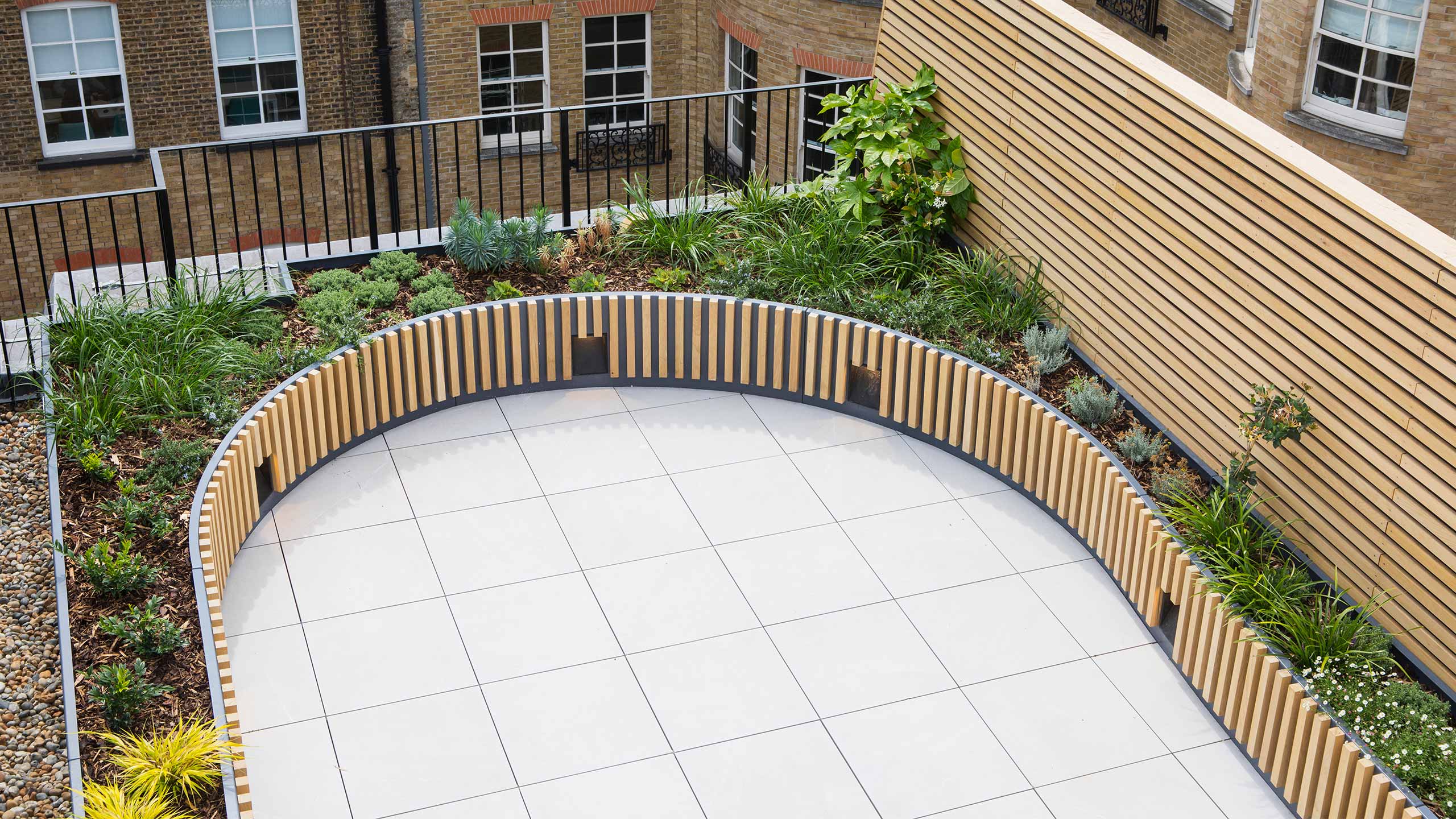
- New roof terraces at 3rd and 4th floor.
- New courtyard and entrance tunnel.
- Hard and soft landscaping.
Key features
The refurbishment combines high-quality design, ambitious sustainability goals, and careful planning to deliver a premium workplace.
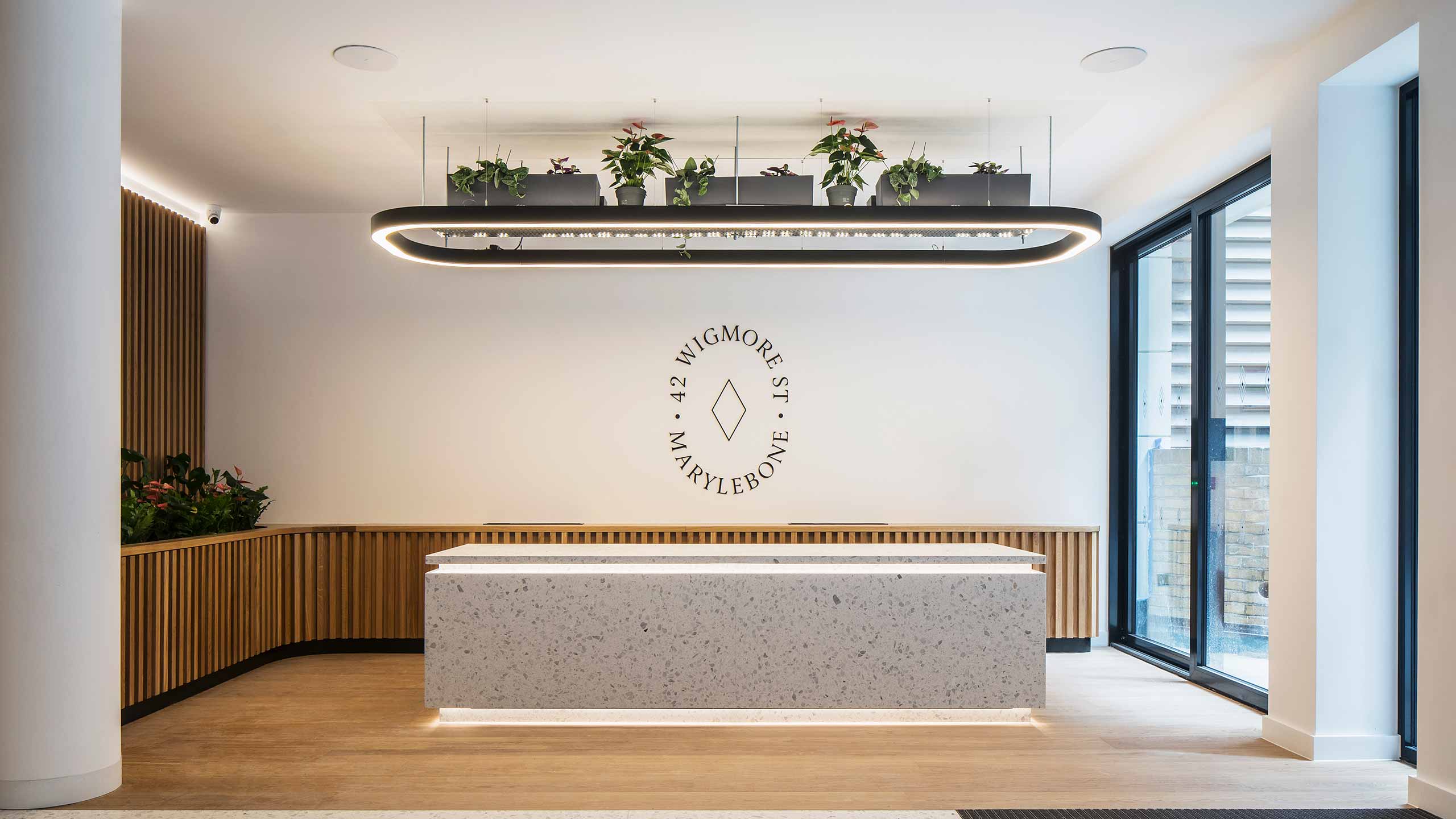
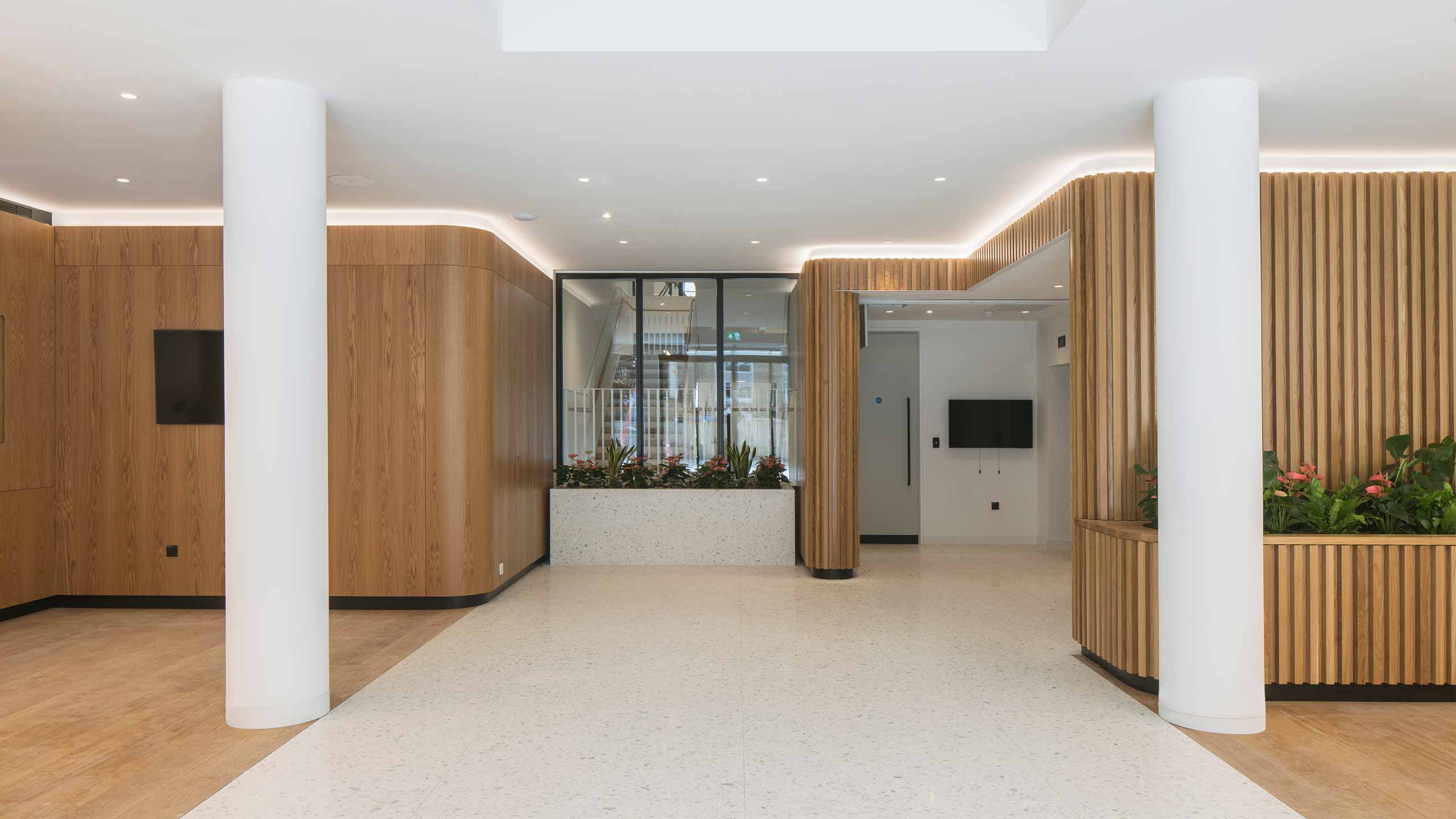
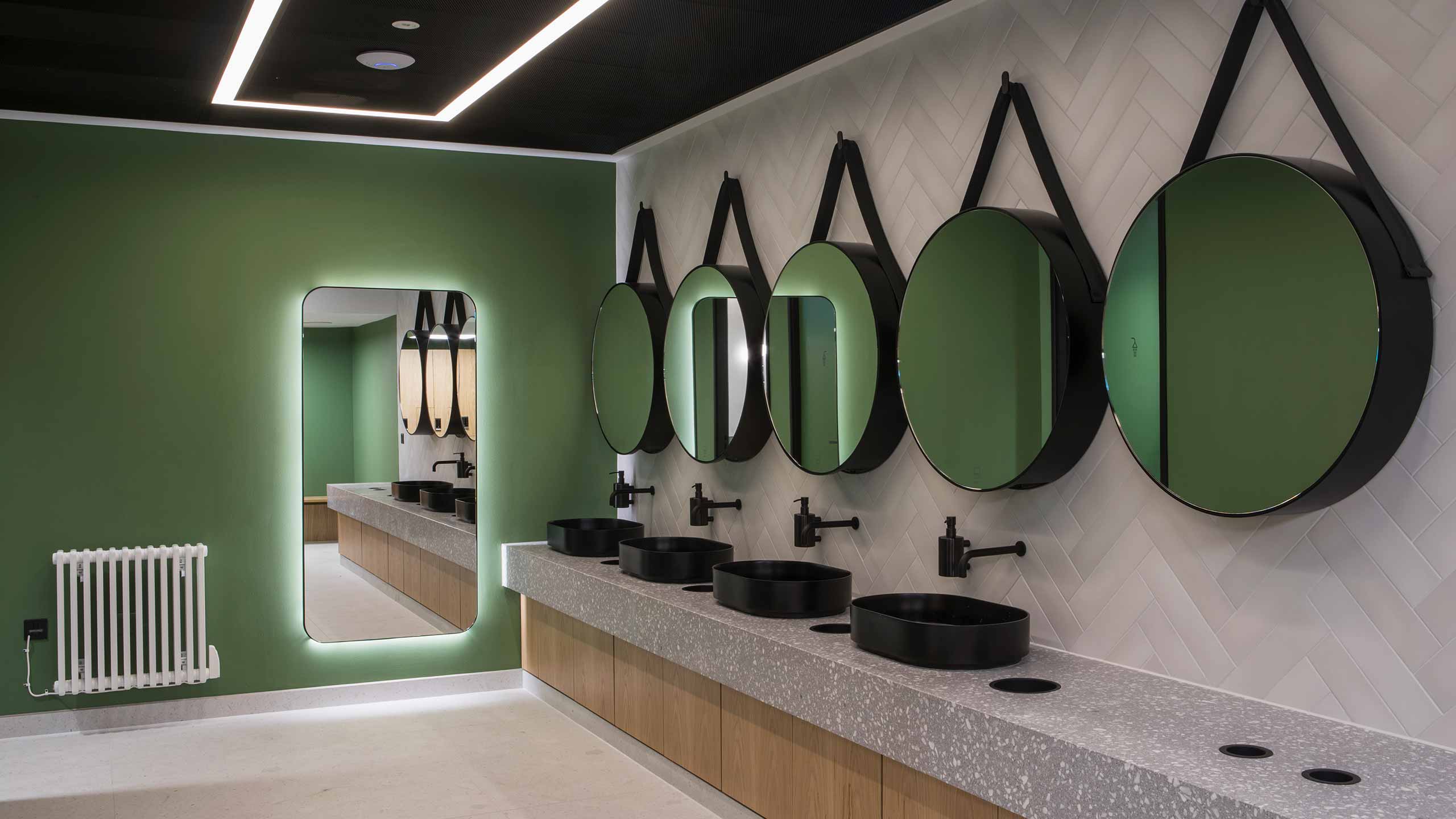
The building now boasts a welcoming reception area, designed to make a strong first impression with high-quality finishes, a terrazzo desk, and suspended linear lighting that integrates planting for a refined aesthetic. This is complemented by luxuriously detailed washrooms, offering a consistent premium standard throughout the development.
In support of healthy workplace practices, the scheme incorporates comprehensive end-of-journey facilities, including showers, lockers, secure cycle storage with a tyre pump, and fully accessible changing and washroom provisions. These amenities promote active travel while ensuring inclusivity and convenience for all occupants.
Structural works
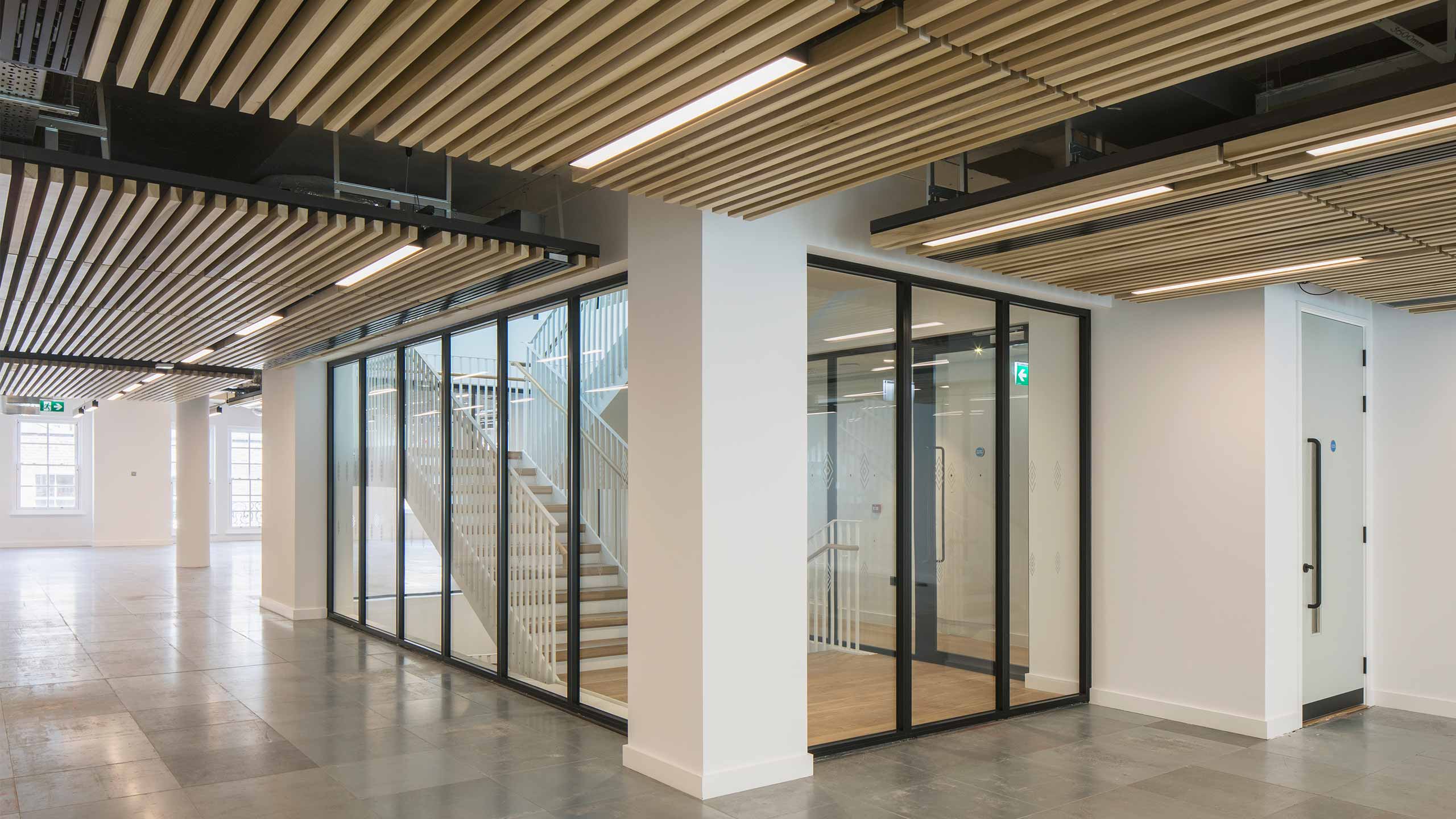
A central component of the project was the complete removal and replacement of the existing staircase, alongside alterations to extend the atrium. As this was the building’s only permanent means of vertical circulation, a temporary scaffold staircase was installed externally to maintain safe access during construction.
Once the original staircase was demolished, structural interventions were carried out, including demolition, infills, and reinforcement to accommodate the new design. The installation of the new staircase demanded precise coordination to maintain programme momentum, ensure stability, and comply with building and fire regulations, while minimising disruption to other trades.
Landscaping and ecology
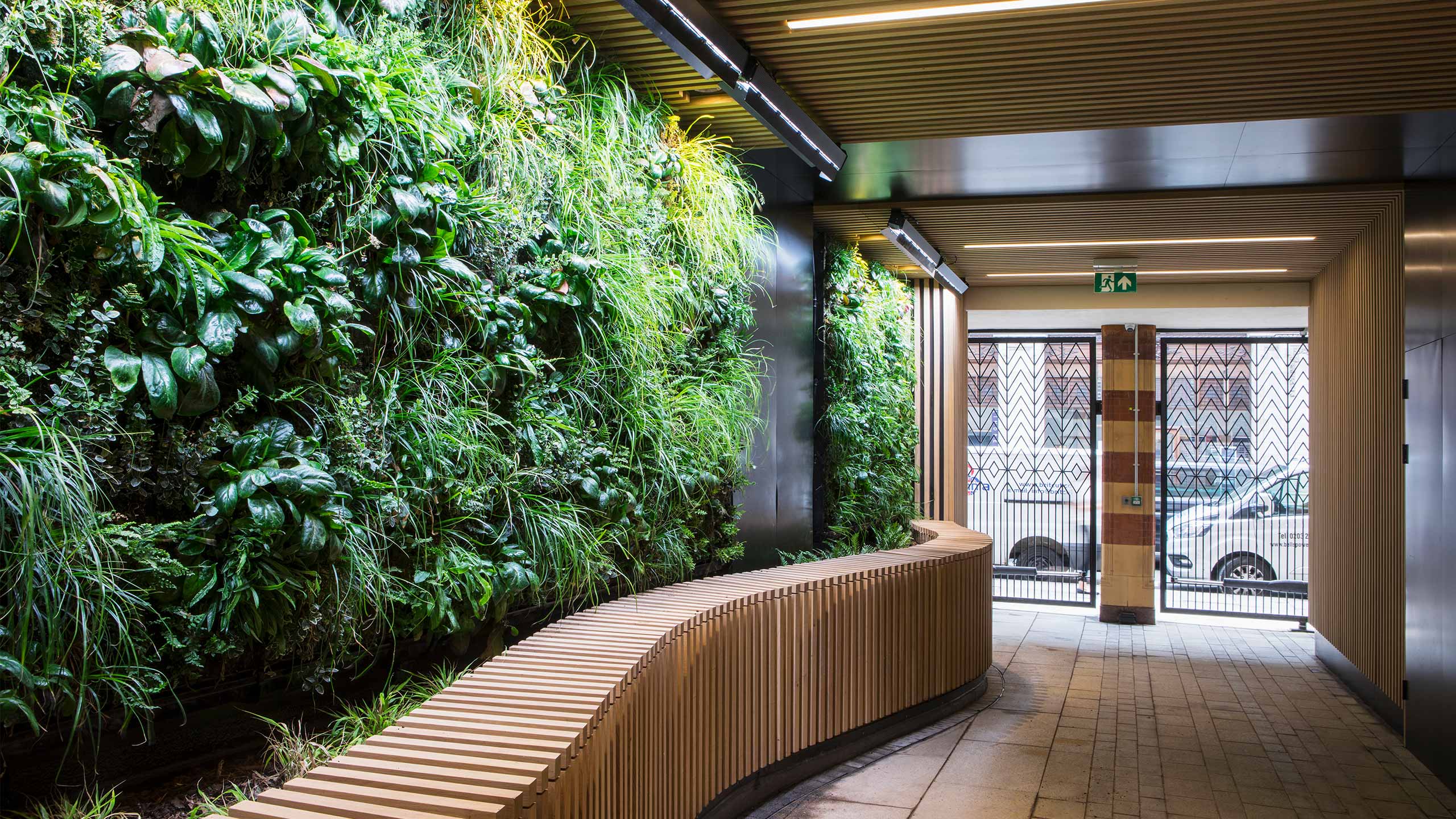
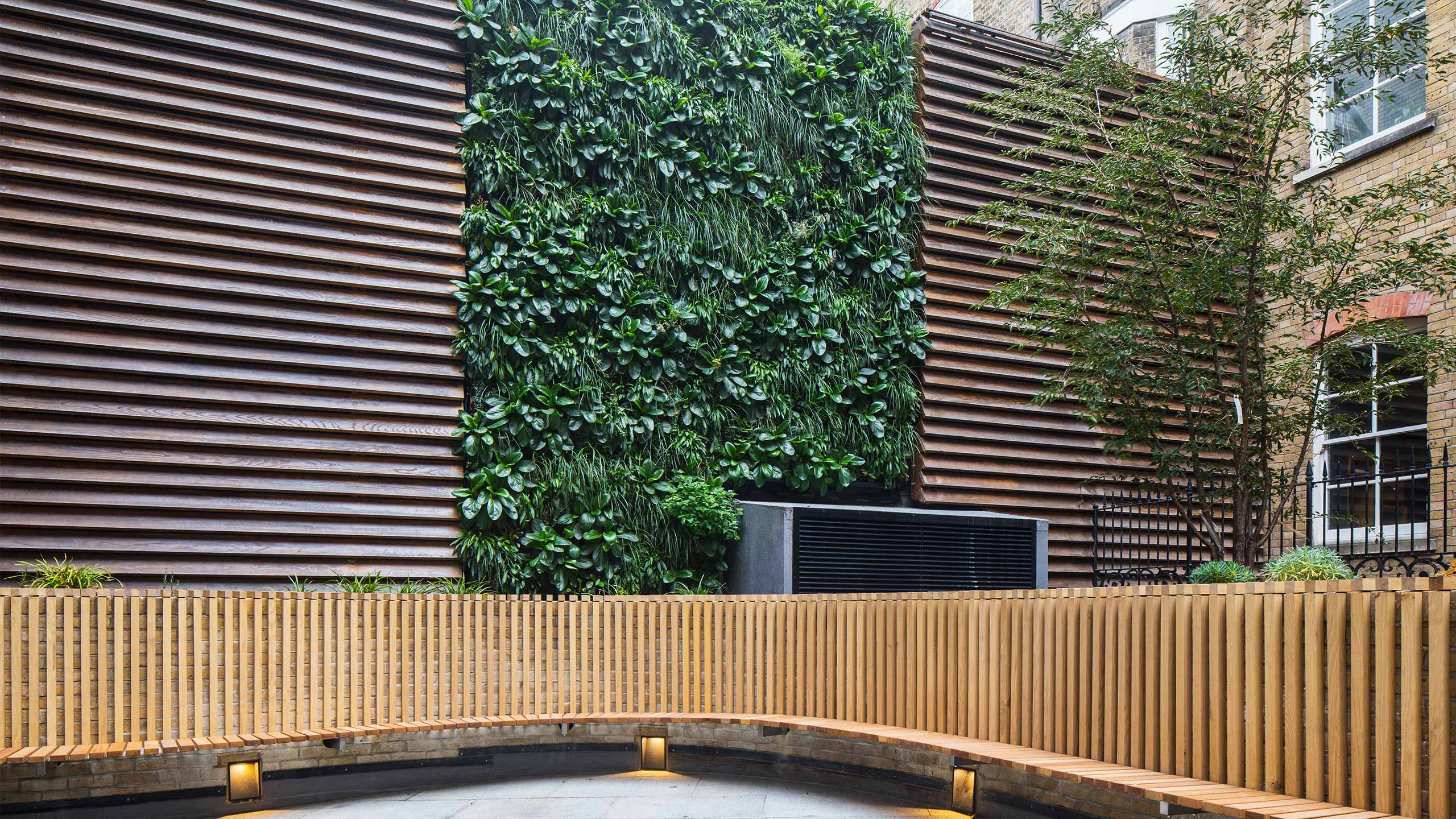
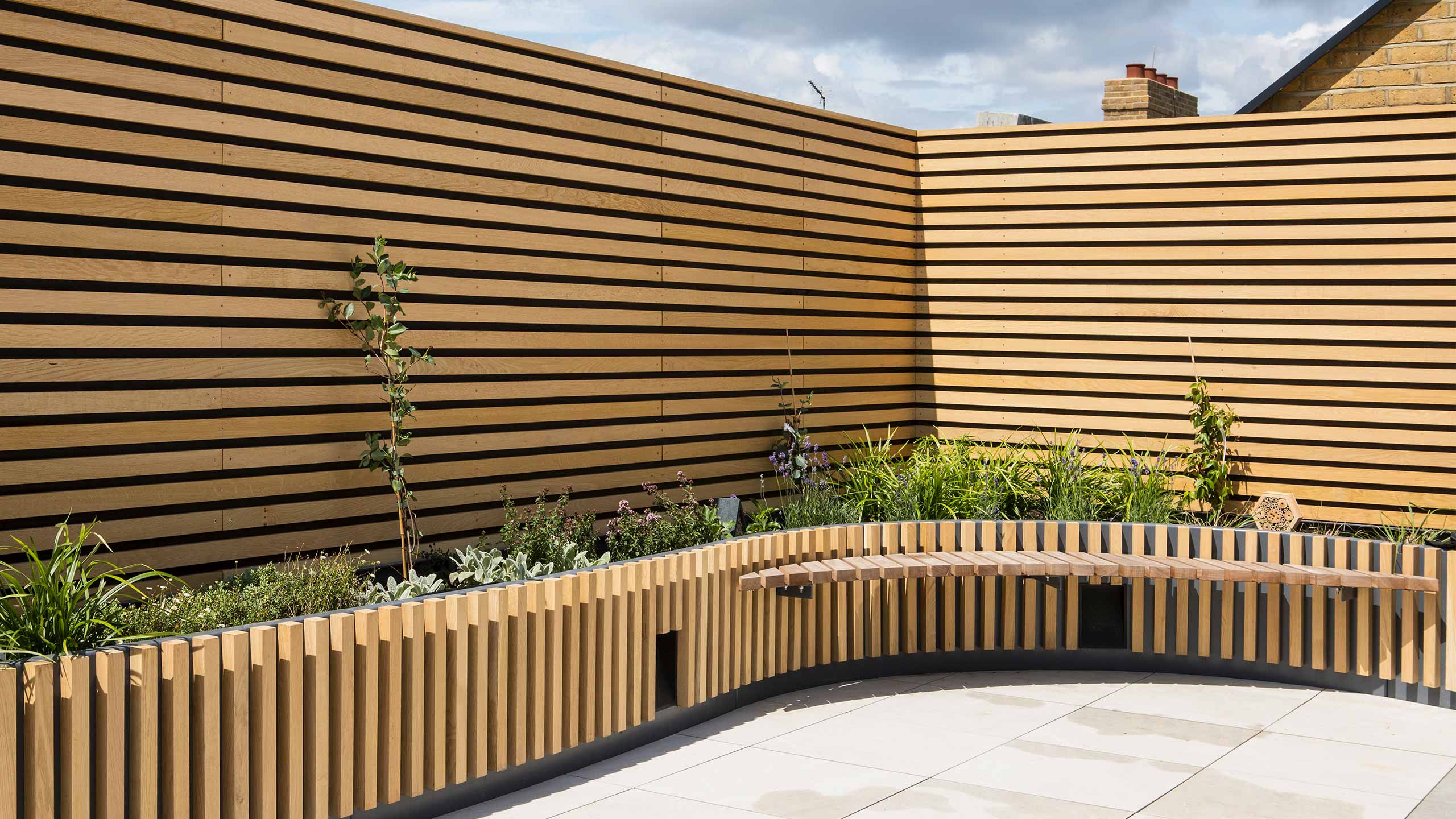
The building benefits from a series of landscaped terraces and a reimagined central courtyard, designed to soften the urban environment and provide amenity space. A living wall in the courtyard creates a vibrant focal point, while sedum and wildflower planting across the terraces enhances biodiversity. These features are sustained by discreet irrigation systems for long-term resilience.
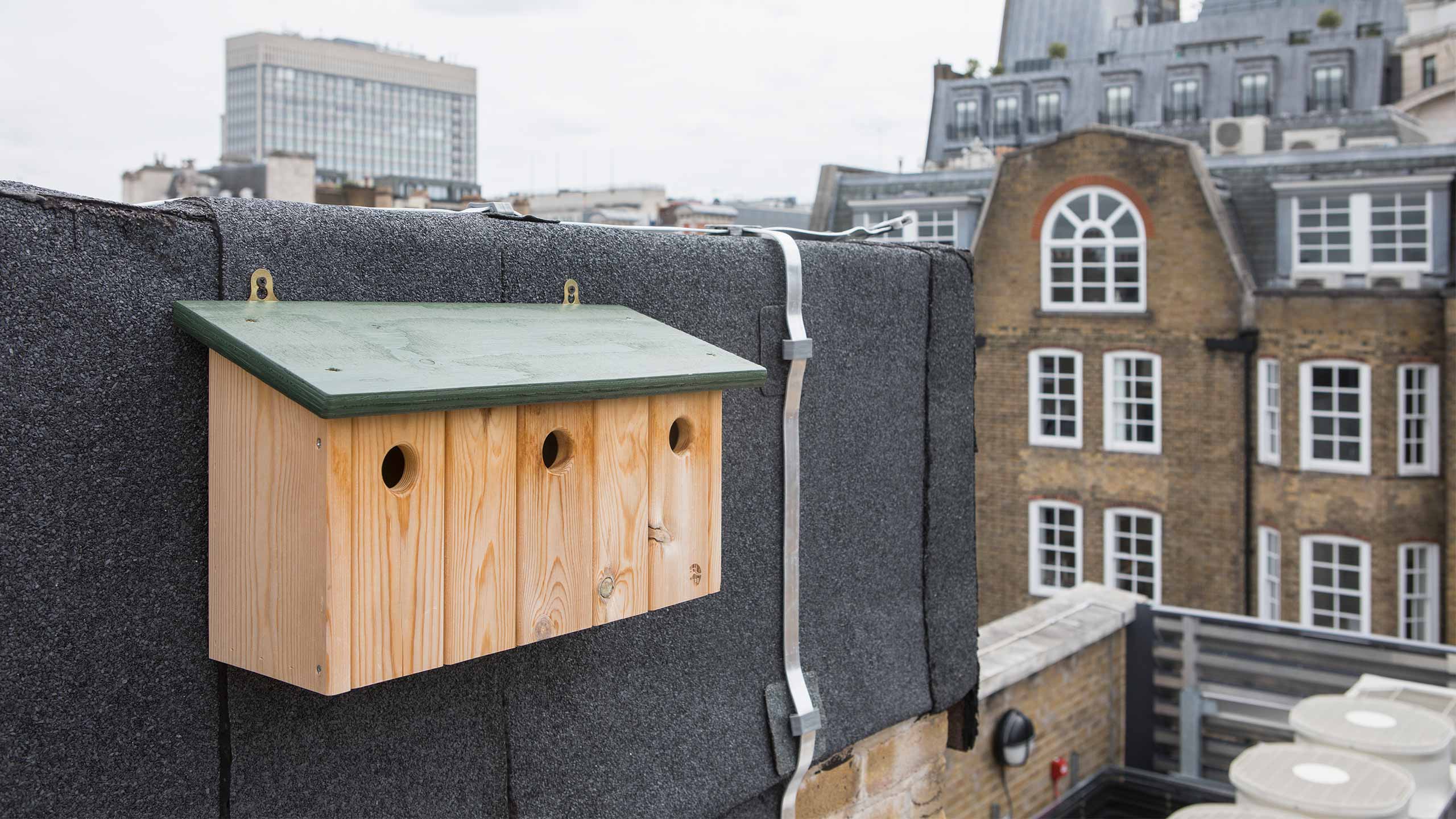
To mitigate disturbance to neighbours, acoustic screening was installed on terraces, protecting both privacy and comfort for surrounding properties. Additional ecological features, such as insect hotels and log stores crafted from reclaimed site materials, underline the project’s thoughtful approach. Collectively, these measures not only met planning obligations but also contributed to BREEAM ecology credits and supported the mind and nourishment criteria within WELL.
Managing relationships
Neighbour engagement was a central focus throughout the build. With Wigmore Hall hosting regular lunchtime concerts, the programme was carefully adapted to pause noisy works during performance times.
Regular communication through newsletters and meetings helped reassure neighbours, while flexibility in scheduling allowed the team to accommodate important events and showroom visits in the surrounding area.
This proactive and considerate approach, combined with permanent acoustic interventions, helped maintain positive relationships in what was a highly sensitive location.
A sustainable approach
Sustainability lay at the heart of the project, with ODGroup targeting its most ambitious set of accreditations yet: BREEAM, WELL, RESET, Active Score, WiredScore, SmartScore, and NABERS.
These aspirations were embedded throughout the programme, supported by regular sustainability coordination meetings and the appointment of sustainability managers by each subcontractor. Environmental planning conditions were also addressed, with solutions such as automated blinds to reduce light pollution and acoustic screening to protect neighbours’ comfort.
See how we’re turning our sustainability vision into action here.
Accreditation

Targeting Outstanding

Targeting WELL Gold

Achieved RESET

Achieved Gold

Achieved Gold

Targeting Gold

Targeting NABERS 4.5*

Achieved EPC A Rating
Project Team

- ODInteriors
Marcus Brooman
Divisional Director, ODInteriors Major+

- ODInteriors
Chris Emmett
Senior Project Manager

- ODInteriors
Rene Nunez
Commercial Manager

- ODInteriors
Andrew Burnell
Construction Manager

- ODGroup
Jozefa Lewis
Head of Sustainability

- ODInteriors
Grace Nicholson
Senior Design Manager