Aldwych House
The details
- Location: Central London
- Value: £4,250,000
- Size: 19,500 sqft
- Duration: 34 weeks
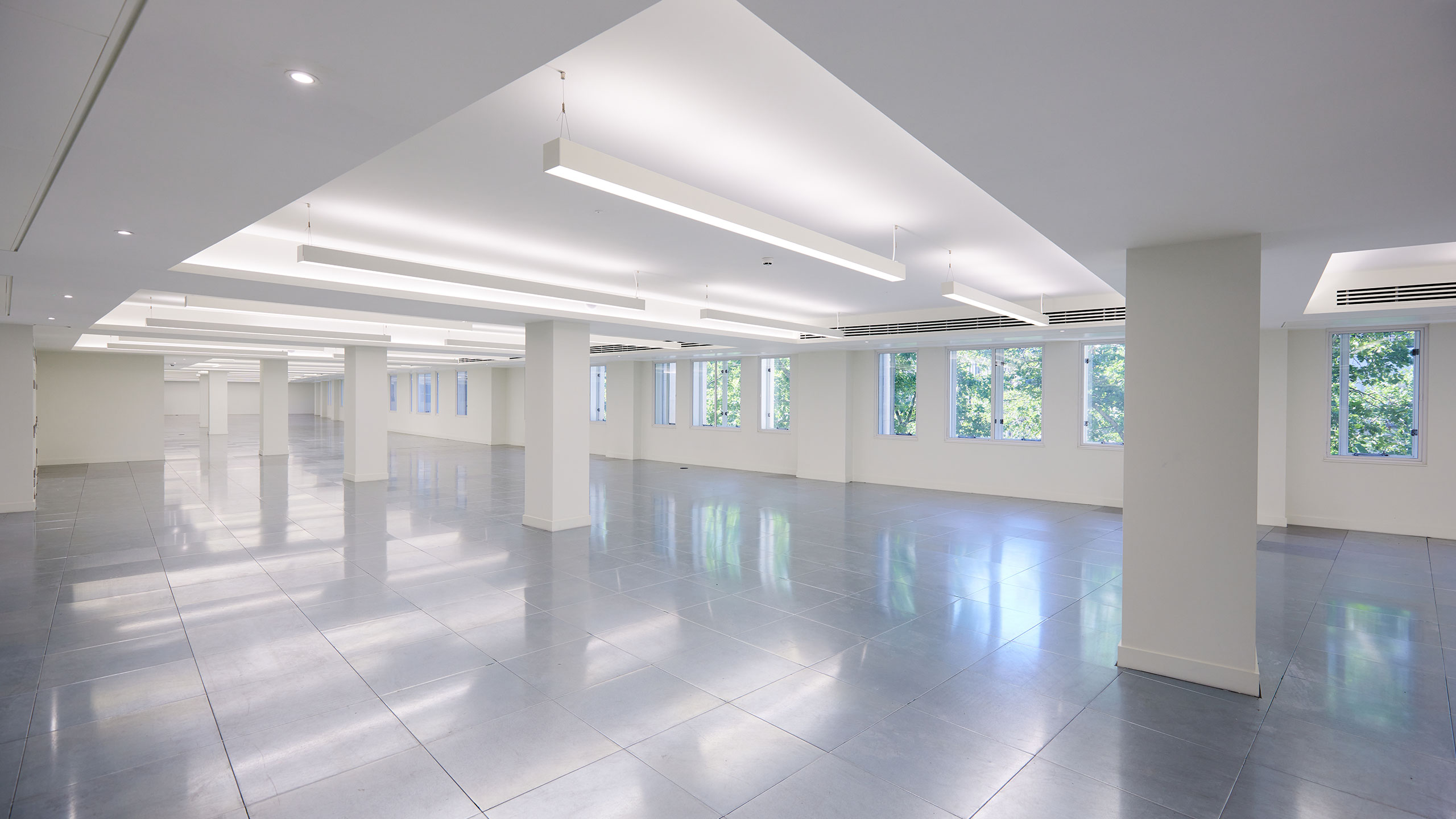
ODInteriors was appointed to deliver a full CAT A refurbishment of Aldwych House, a prominent commercial building in central London, set within the West End Theatre District and close to the renowned Somerset House.
The remodel centred around two key considerations: the building’s heritage context and its fully occupied status. These constraints informed every aspect of the programme, from access planning and noise management to the treatment of original features and high-end finishes.
The team
- Architect: HUT Architecture
- Project Manager: Knight Frank LLP
- Photographer: ©SOLK Photography
List of works:
- Strip out
- Mechanical and electrical upgrade
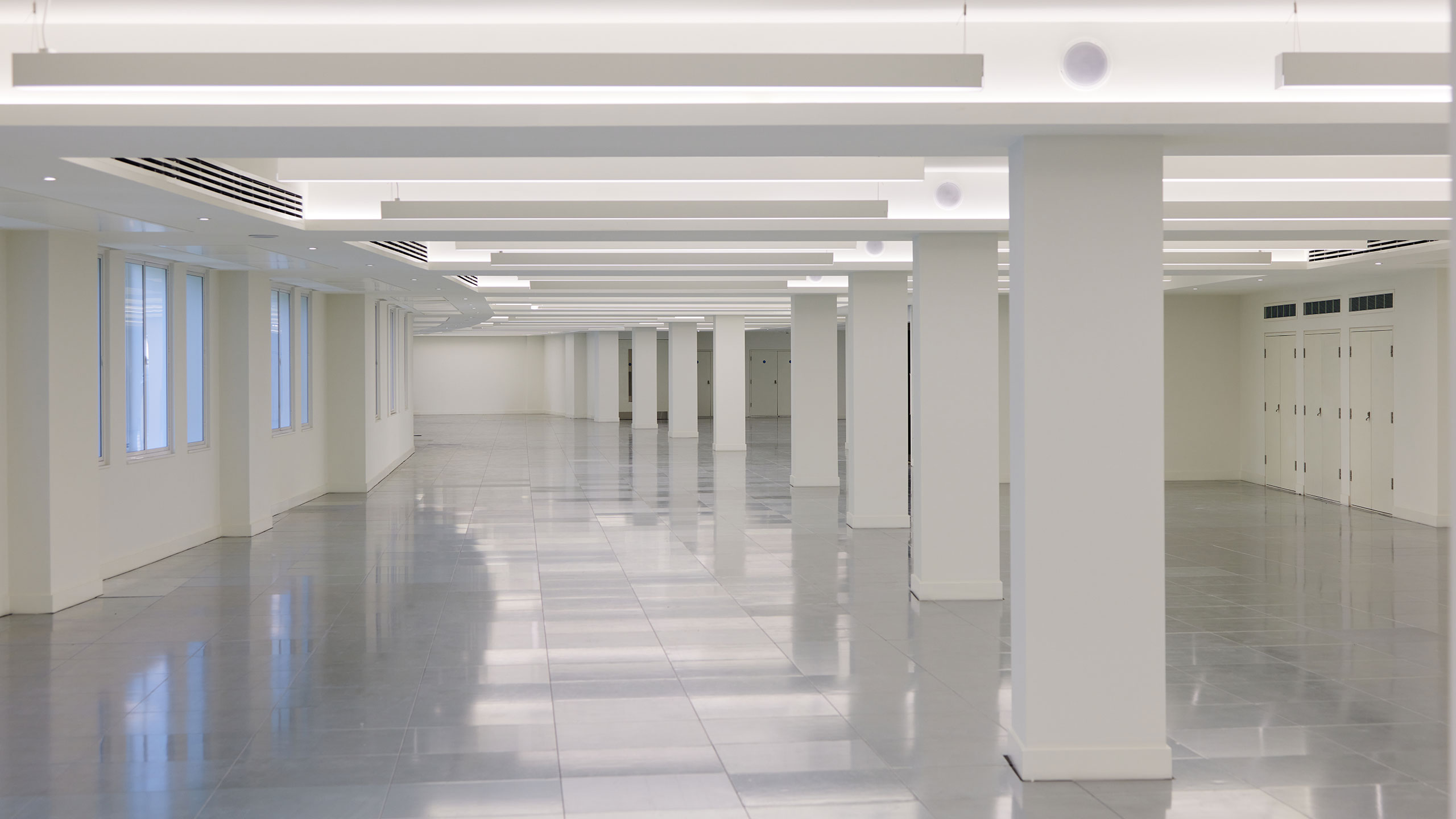
- CAT A refurbishment
- Atrium infill works

The project
The project involved a complete internal strip-out of the 3rd floor, including structural demolition & alteration, and removal of a heavy-duty rooftop plant. Due to limited space and the need to avoid disruption to tenants, a scaffold gantry was installed to provide access from the floorplate to the building façade. This enabled plant and materials to be safely hoisted without the need for a crane, which would have been impractical in the constrained central London location.
Structurally, the team reconfigured a disused lightwell, installing new steelwork to increase usable floor area. This involved moving large sections of steel into a confined footprint, all while maintaining public and tenant safety.
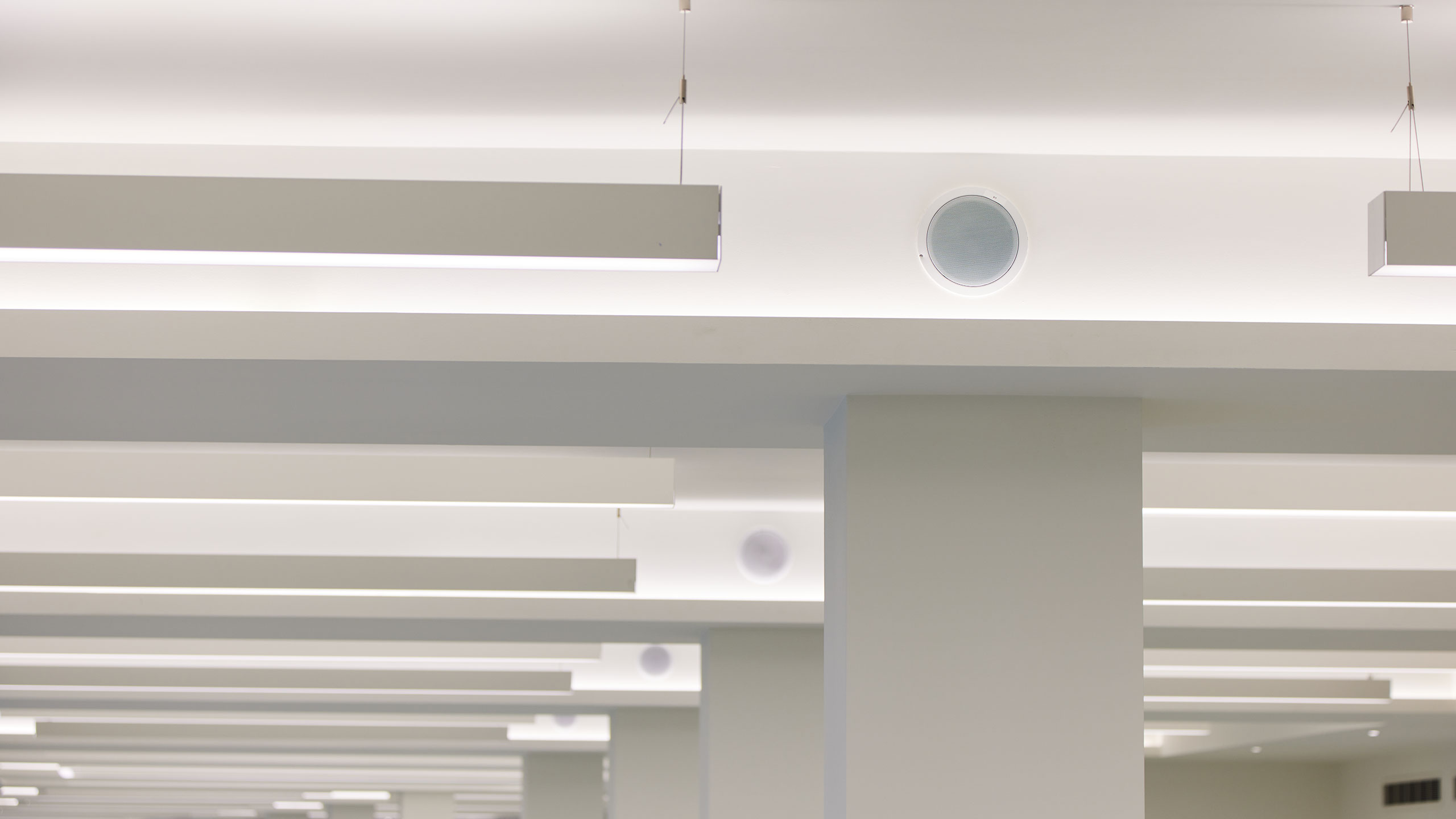
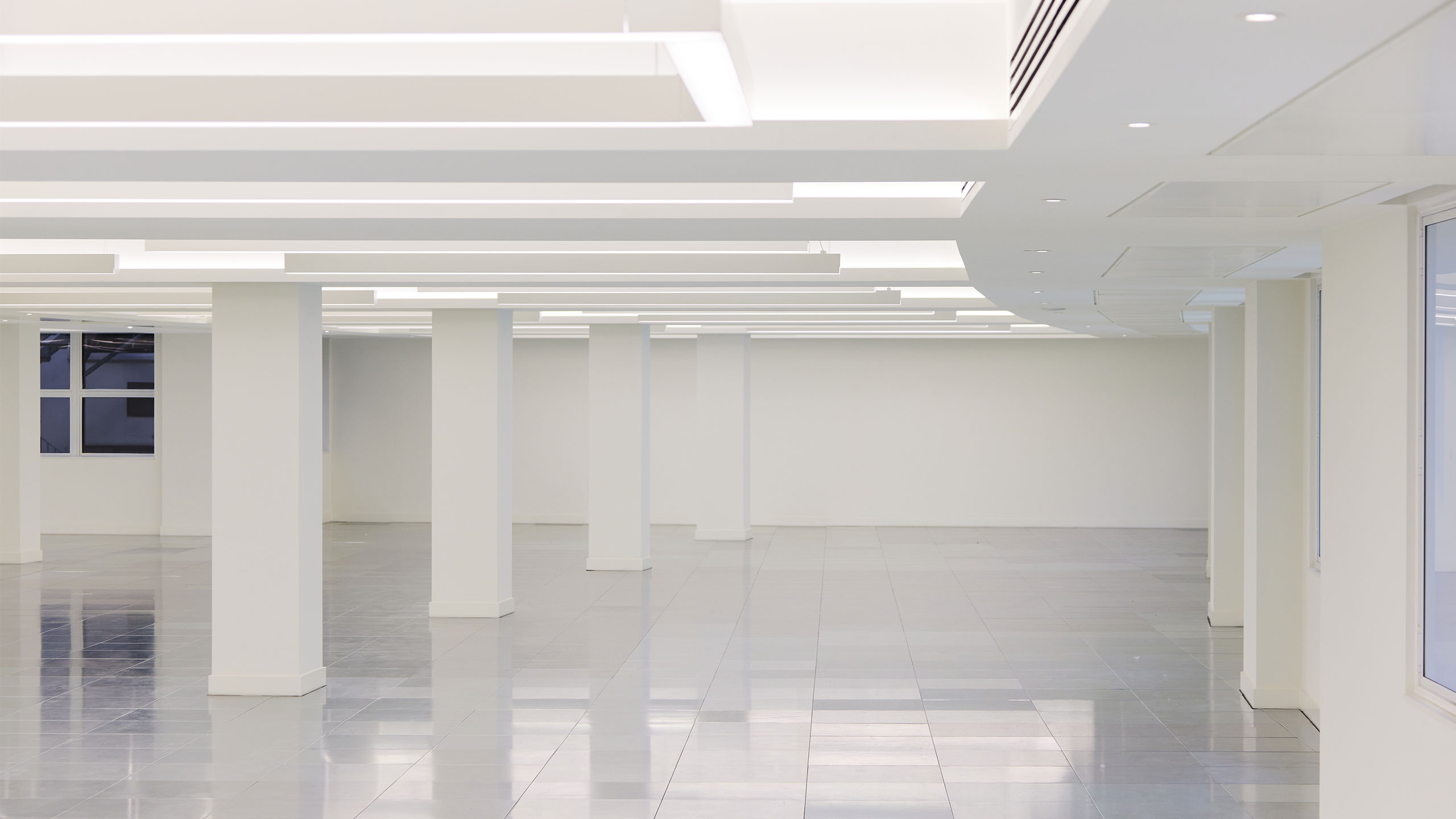
Energy-efficient LED lighting has been integrated to create an even, well-lit workspace, while upgraded building services have been discreetly incorporated to meet modern compliance standards.
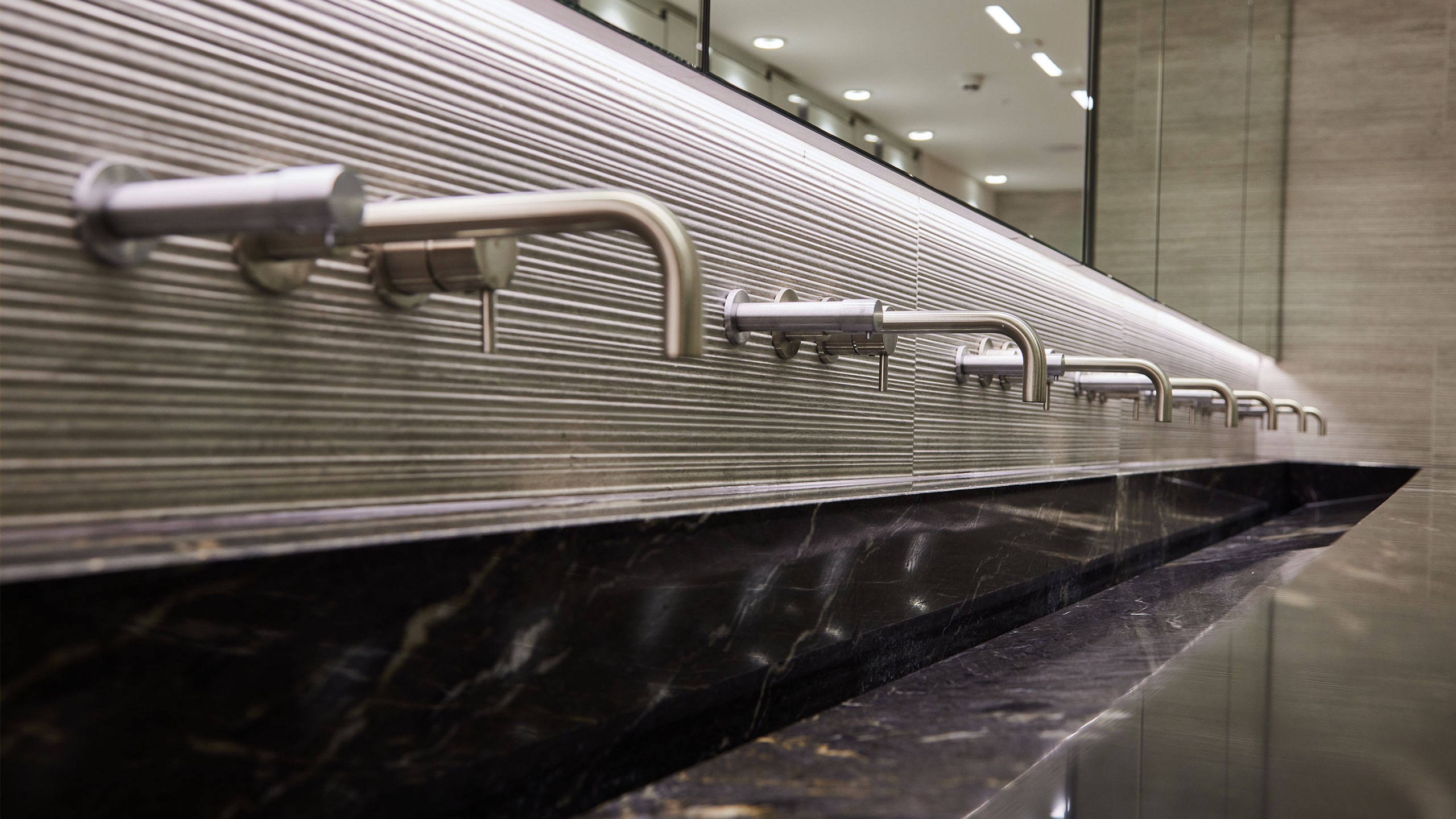
As part of the refurbishment, the level three toilet facilities were relocated from within the tenant’s demise to the building’s atrium area. This strategic move freed up valuable internal floor space that could be included in the lettable area, directly increasing the rental capacity for the client.
The works required the installation of new structural steels to support the reconfigured layout, which were delivered and installed early in the programme to maintain progress. By repositioning the facilities into a communal zone, the project not only improved the efficiency of the floorplate but also enhanced the building’s overall commercial potential.
The space provides a neutral yet high-quality canvas, enabling future tenants to personalise the space to suit their own brand and operational needs. Fire compliance upgrades and MEP integration were also delivered, with services rerouted and new risers installed to support flexible future tenant fit-outs.
Working within a live environment
Working within a live site added a further layer of complexity. The building housed a co-working space below and a legal practice adjacent, both of which required minimal disruption.
The co-working space was particularly sensitive, as its short-term, walk-in clientele could easily relocate to alternative workspaces in the event of excessive noise or disruption. And so, strict noise restrictions were implemented and alternative access routes for materials and operatives were established, with high-impact works carefully sequenced to maintain a respectful, professional working environment.
Protecting features
Although the building itself was not listed, it featured several heritage finishes that required careful handling.
Windows were temporarily removed and later reinstated to in keeping with the rest of the building, while original coffered ceilings were protected and suitable covered to avoid damage during demolition and strip-out works.
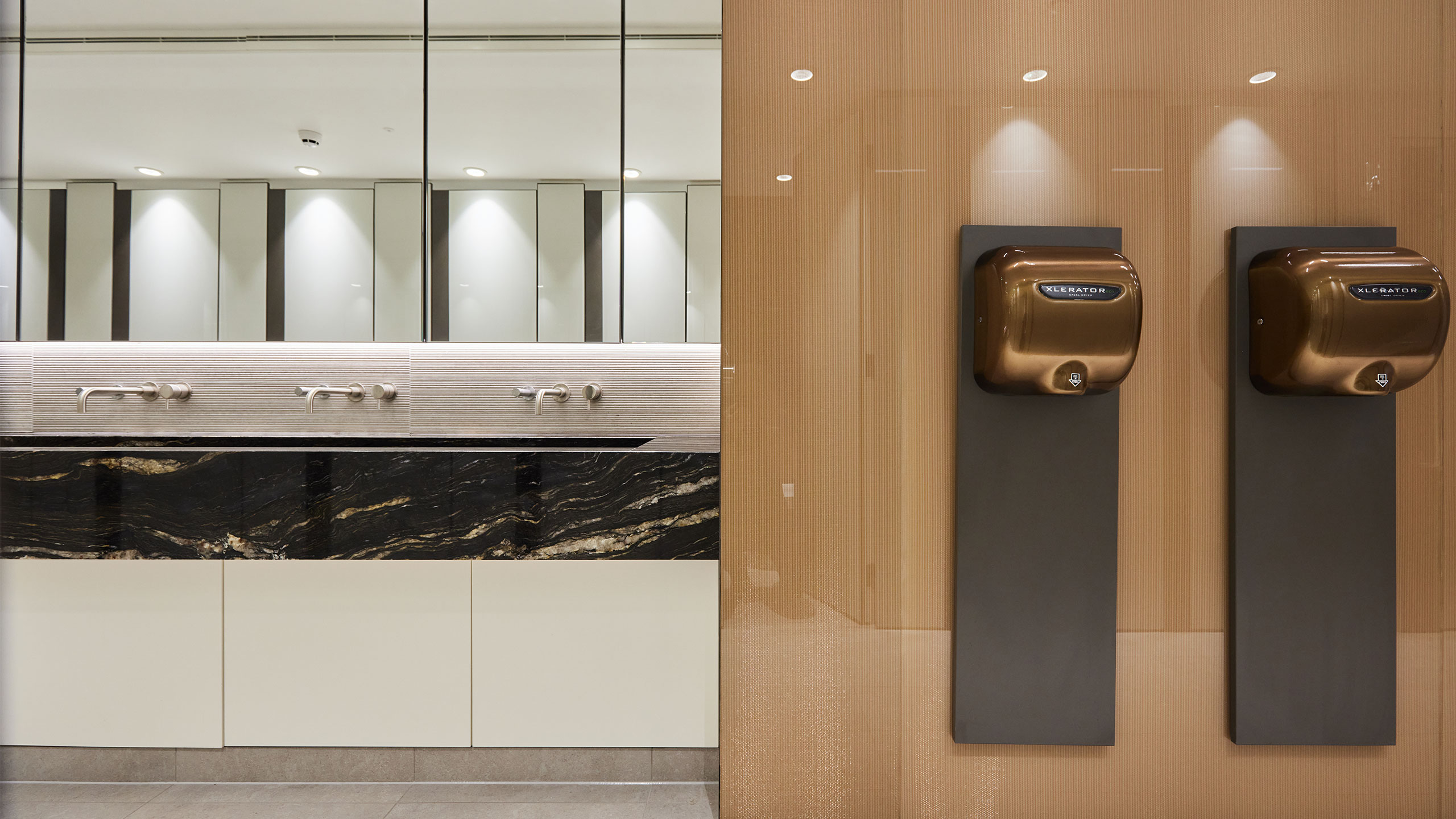
Most notably, the high-end bespoke toilet cores on Level 2 had to be dismantled to allow for the works required to install the new Level 3 facilities. Each bespoke component was carefully removed piece by piece, protected, and stored for later reinstallation.
Every element was documented, labelled, and aligned using physical guides to ensure the facilities were reinstated exactly to their original condition, a necessary and cost-effective approach that respected the client’s investment in premium finishes.
The crane lift
The installation of new condenser units to the roof required a highly coordinated crane lift due to the size of the equipment and the restricted internal access routes. The existing corridors and plant rooms were too narrow to accommodate the largest dismantled component, meaning the units had to be delivered in one piece.
A full road closure on the main frontage would have caused significant disruption, so the team devised an alternative plan to position the crane within an adjoining service alley. This avoided bus re-routes and public access issues while still allowing the required reach to the rooftop.
Before any lift planning could proceed, surveys were carried out to confirm that the ground could safely support the crane’s weight, checking for underground voids or basements that might have compromised the operation.
Due to the crane boom’s limited reach, a temporary loading platform was constructed on the building to receive the units. Operatives, clipped into harnesses, guided the equipment from the crane onto the platform before transferring it into the plant area. This approach avoided the need for additional lifting equipment on-site and ensured safe, controlled handling in a confined environment.
The lift was scheduled for the early hours of a weekend to minimise disruption to the neighbouring university and nearby food vendors, with all stakeholders consulted and agreed in advance.
All lifting plans, method statements, and permits were prepared well ahead of time and approved by Liberty Safety Services. This advance planning was essential, as approvals can take weeks and any delay would have impacted the wider programme.
The careful sequencing meant the project schedule remained on track, with the lift completed smoothly, no road closures required, and the installation crew able to finish the works without interruption.
The result
Throughout the works, ODInteriors maintained close collaboration with Knight Frank and building management. The strength of these relationships helped the team deliver the refurbishment with minimal disruption and maximum precision, despite the demanding conditions.


Project Team

- ODInteriors
Mike Jones
Divisional Commercial Director, ODInteriors Core

- ODInteriors
Tomas Deksnys
Project Manager

- ODInteriors
Chris Jones
Senior Commercial Manager

- ODInteriors
Louie Collinson
Senior Technical Services Manager

- ODInteriors
Nathan Garvey
Assistant Commercial Manager

- ODInteriors
Harry Harrison
Construction Manager